KOL & Influencer Marketing: How To Do It For Your Brand?
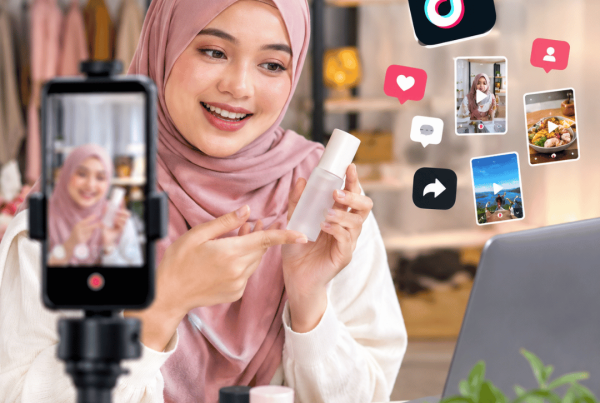
In today’s digital landscape, consumers are becoming increasingly selective about the brands they choose to support. Traditional advertising still has its place, but people are now placing greater trust in recommendations from individuals they follow online. This shift in consumer behaviour has made KOL and influencer marketing one of the most powerful strategies for brands looking to increase visibility, build credibility, and drive sales.
Whether you’re a startup trying to gain attraction or an established business looking to strengthen your online presence, understanding how to leverage KOLs and influencers effectively can make a significant difference to your marketing success.
But how exactly does it work, and more importantly, how can you make it work for your brand?
Understanding KOL and Influencer Marketing
Before diving into strategy, it’s important to understand the difference between a KOL and an influencer. A Key Opinion Leader (KOL) is someone who has established authority, expertise, or credibility within a specific industry. Their audience trusts them because of their knowledge and experience. Examples include doctors, fitness coaches, financial advisors, chefs, or industry experts. Influencers, on the other hand, build their audience primarily through content creation on social media platforms such as Instagram, TikTok, YouTube, Facebook, and X. Their influence often comes from relatability, personality, lifestyle, and engagement with followers. While there are differences between the two, both have the ability to influence purchasing decisions and shape consumer perceptions of a brand.
Why Does KOL and Influencer Marketing Work?
The success of influencer marketing comes down to one simple factor, which is trust. Consumers are constantly exposed to advertisements every day. As a result, many have become resistant to traditional promotional messages. However, when a trusted creator or industry expert recommends a product, it feels more like a genuine suggestion than a sales pitch. Research consistently shows that people are more likely to try a product when it is recommended by someone they follow and trust online.
This level of authenticity helps brands achieve:
- Greater brand awareness
- Higher engagement rates
- Improved credibility
- Increased website traffic
- Better conversion rates
- Stronger customer loyalty
When executed correctly, influencer marketing becomes more than just a promotional activity, it becomes a relationship-building strategy.
Define Your Marketing Goals First
One of the biggest mistakes brands make is partnering with influencers without a clear objective. Before reaching out to any KOL or influencer, determine what you want to achieve.
Your goals may include:
- Brand Awareness. If your brand is new, your primary objective may be to introduce your products or services to a wider audience.
- Product Launches. Launching a new product? Influencers can help generate excitement and create buzz before, during, and after the launch.
- Lead Generation. Some campaigns focus on collecting leads through registrations, downloads, or inquiries.
- Sales Conversions. If your goal is direct revenue, you may want influencers who can effectively drive purchases through promo codes, affiliate links, or special campaigns.
- Community Building. Brands can also use influencer marketing to grow online communities and strengthen relationships with existing customers.
Having a clear goal will guide every decision that follows, from influencer selection to campaign measurement.
Choose the Right Influencer for Your Brand
Many businesses assume that the influencer with the largest following is automatically the best choice. This isn’t always true. The most effective partnerships often come from influencers whose audience closely matches your target market.
When evaluating influencers, consider:
Audience Demographics
- Who follows them?
- What age group dominates their audience?
- Where are their followers located?
- Do their followers align with your ideal customers?
2. Engagement Rate.
A creator with 20,000 highly engaged followers can often outperform someone with 500,000 followers who receives minimal interaction. Look beyond follower count and evaluate:
- Likes
- Comments
- Shares
- Saves
- Overall audience interaction
- Content Quality
- Review their content carefully.
- Does their style align with your brand image?
- Would your product feel natural within their content ecosystem?
Authenticity matters. Forced collaborations rarely produce strong results.
Brand Fit
An influencer’s values should align with your company’s positioning and messaging. A mismatch can damage credibility for both parties.
Micro vs Macro Influencers: Which Is Better?
Many brands struggle with this question. The answer depends on your objectives and budget. Micro Influencers, typically between 1,000 and 100,000 followers.
Advantages:
- Higher engagement rates
- More niche audiences
- Lower collaboration costs
- Stronger community trust
Micro-influencers are often ideal for local businesses and small to medium-sized brands. Macro Influencers. Usually between 100,000 and 1 million followers. And the advantages are larger reach, Greater brand exposure, and Faster awareness generation. These influencers can be effective when your goal is mass visibility.
Mega Influencers and Celebrities
With audiences exceeding one million followers, these personalities offer extensive reach but often require substantial investment. For many brands, a combination of micro and macro influencers delivers the best balance between reach and engagement.
Build Authentic Partnerships
Influencer marketing should never feel transactional. The most successful campaigns are built on genuine relationships rather than one-off sponsored posts. Instead of treating creators as advertising channels, view them as strategic partners. Allow influencers the creative freedom to communicate your brand in their own voice. After all, they understand their audience better than anyone else.
Consumers can immediately recognize content that feels overly scripted or forced. When influencers have room to be authentic, engagement and trust naturally increase.
Create Campaigns That Feel Natural
Modern audiences value storytelling more than direct selling. Rather than asking influencers to simply showcase your product, encourage them to demonstrate how it fits into their daily lives.
For example:
- A fitness influencer sharing their workout routine using your supplements
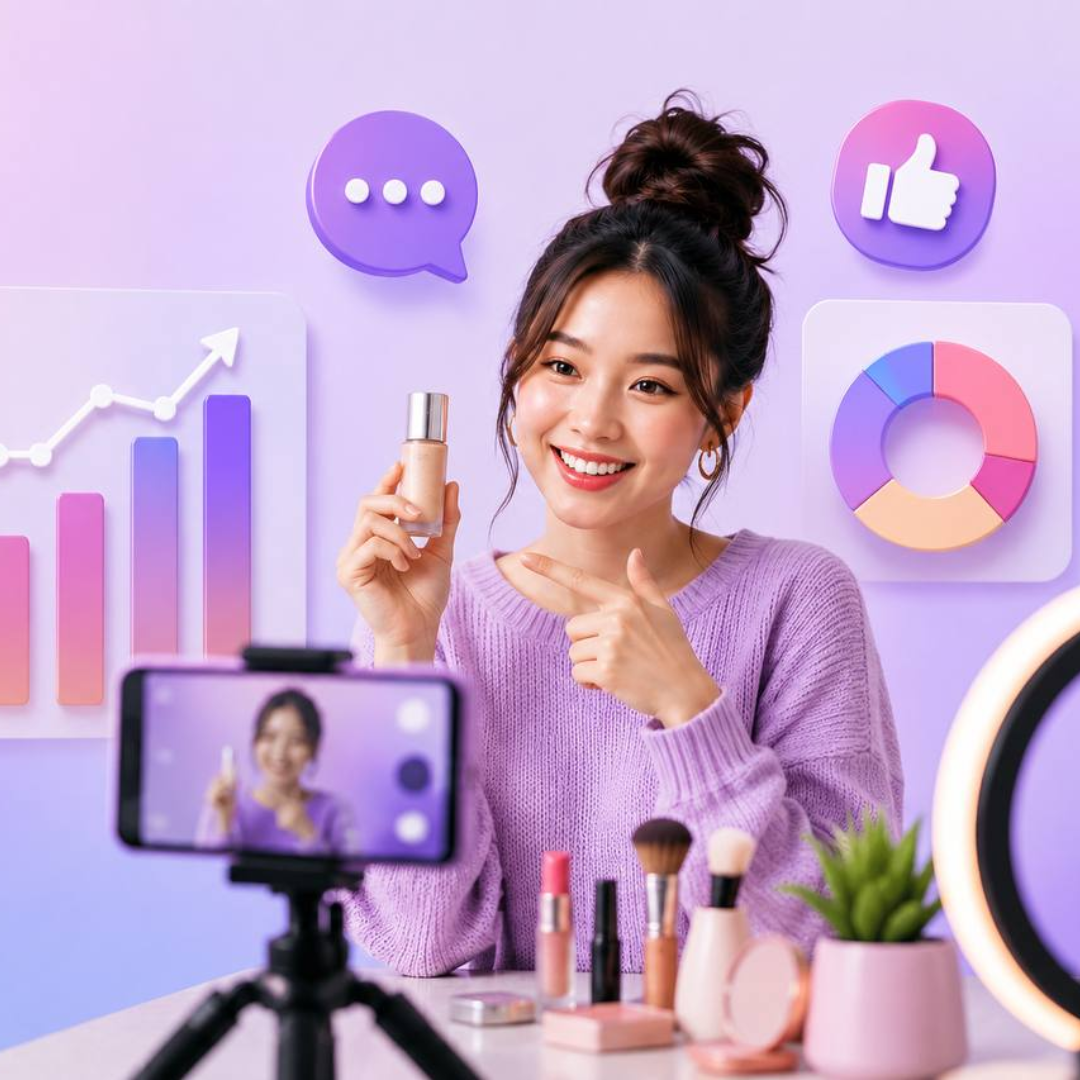
- A beauty creator showing a skincare transformation journey
- A food reviewer incorporating your product into recipes
- A business expert explaining how your software improves productivity
The goal is to integrate your brand naturally into meaningful content. When audiences see genuine usage, they are more likely to relate and take action.
Set Clear Expectations
A successful collaboration requires clarity from the beginning. Create a campaign brief that outlines:
- Campaign objectives
- Deliverables
- Posting timelines
- Key messages
- Brand guidelines
- Content requirements
- Usage rights
At the same time, avoid being overly restrictive. Provide guidance while still allowing room for creativity. The balance between structure and flexibility often leads to the best results. Measure Campaign Performance.
One of the greatest advantages of digital marketing is measurability.
Tracking performance helps determine whether your investment is generating results.
Common metrics include:
Reach and Impressions
These indicate how many people potentially saw the content.
Engagement
Also track:
- Likes
- Comments
- Shares
- Saves
- Video views
Strong engagement often signals audience interest and relevance.
Website Traffic
Monitor how much traffic influencer campaigns drive to your website using analytics tools and tracking links.
Conversions
Do not forget to measure:
- Purchases
- Sign-ups
- Downloads
- Inquiries
These metrics reveal the campaign’s direct business impact.
5. Return on Investment (ROI)
Compare campaign costs against the revenue or value generated. Understanding ROI helps optimize future campaigns and marketing budgets.
Here are 5 of the most common pitfalls:
- Choosing Influencers Based Solely on Follower Count
- Bigger doesn’t always mean better.
- Audience quality often matters more than audience size.
- Ignoring Audience Relevance
- An influencer with millions of followers is ineffective if those followers aren’t interested in your product.
- Overly Controlling Content
Consumers are becoming more interested in authenticity, transparency, and meaningful content. As a result, brands are increasingly shifting towards long-term influencer partnerships, User-generated content, community-driven marketing, Niche creators, and Performance-based collaborations
Short-term promotional posts are gradually giving way to deeper relationships that create sustained brand value. Businesses that embrace these changes will be better positioned to build trust and remain competitive in the digital marketplace.
KOL and influencer marketing are no longer just a trend but, they’re a core component of modern digital marketing strategies. When approached strategically, influencer partnerships can help brands reach new audiences, strengthen credibility, increase engagement, and drive measurable business growth.
The key lies in selecting the right partners, building authentic relationships, creating valuable content, and consistently measuring results. Rather than focusing solely on follower counts or viral moments, successful brands prioritize relevance, trust, and genuine connections with their target audience.
In a world where consumers trust people more than advertisements, KOL and influencer marketing offer brands a powerful opportunity to connect, engage, and grow in ways that traditional marketing often cannot. This version is optimized around keywords such as KOL marketing, influencer marketing, brand marketing strategy, social media influencers, micro-influencers, and digital marketing, while maintaining a natural, human-written flow suitable for SEO publishing.