Corporate Conference Event Planning: The Complete Guide to Organizing Successful Business Events That Deliver Real Results
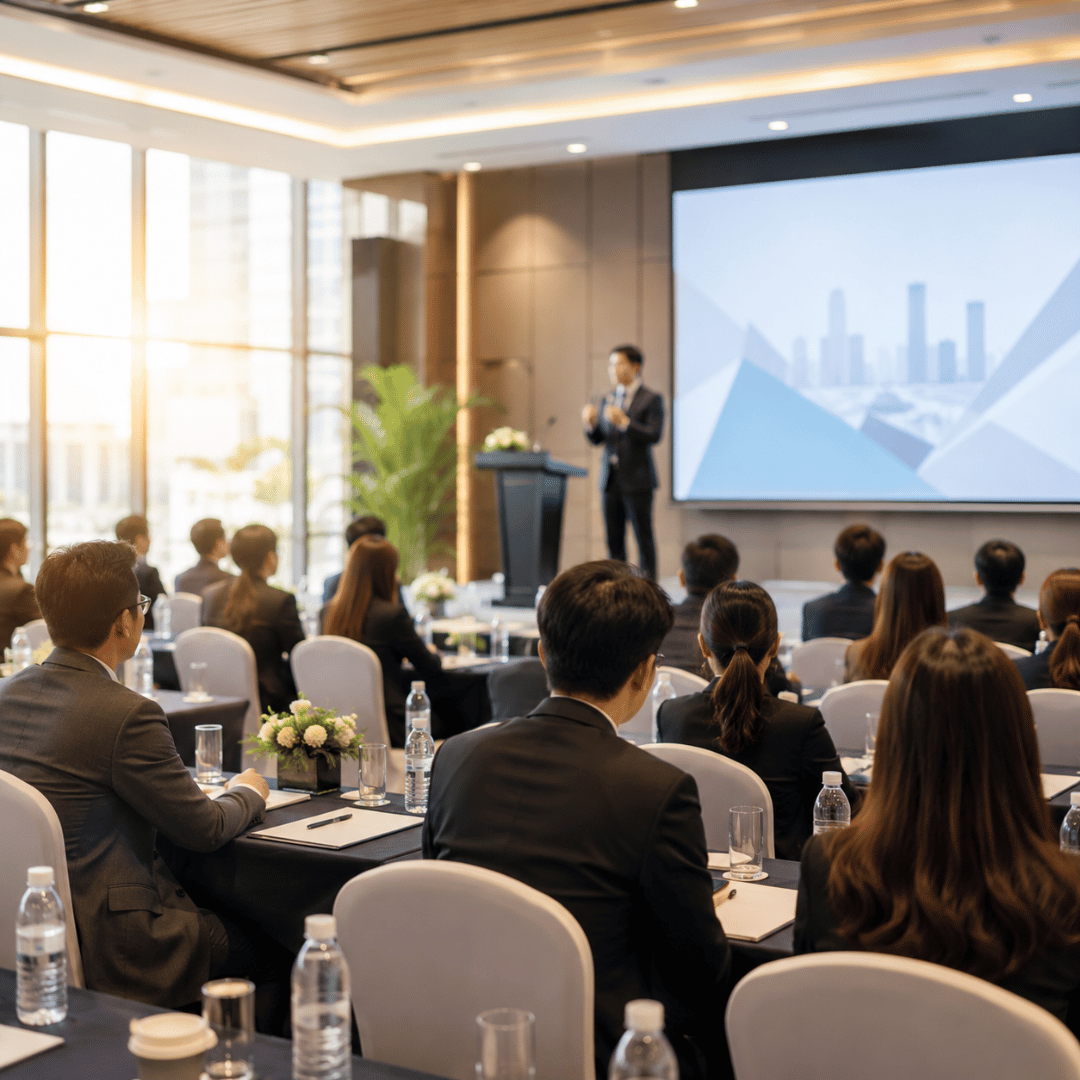
Whether you’re launching a new product, hosting an annual company meeting, organizing a leadership summit, or planning an industry conference, corporate conference event planning plays a major role in determining the success of your event.
A well-planned corporate conference does much more than gather people in one venue. It creates meaningful business opportunities, strengthens relationships, builds trust with stakeholders, and positions your brand as an industry leader.
However, successful business events never happen by accident. They require strategic planning, effective communication, professional event management, and flawless execution from start to finish.In this comprehensive guide, you’ll learn everything you need to know about organizing a successful corporate conference, common mistakes to avoid, and how partnering with an experienced event management company like KNKV Group can help you deliver an unforgettable experience.
What Is Corporate Conference Event Planning?
Corporate conference event planning is the process of organizing professional business events that bring together employees, clients, partners, investors, or industry professionals for a specific objective.
Depending on your business goals, corporate conferences may include:
- Annual General Meetings (AGM)
- Corporate seminars
- Leadership conferences
- Business networking events
- Product launches
- Investor briefings
- Company town halls
- Sales conferences
- Training workshops
- Industry summits
Unlike social events, corporate conferences require careful coordination between multiple stakeholders while maintaining professionalism throughout every stage of the event.
Why Corporate Conferences Matter for Businesses
Many companies view conferences simply as another corporate activity. In reality, they are strategic investments that can generate long-term business value.
A successful conference can:
- Strengthen business relationships
- Increase brand visibility
- Generate qualified business leads
- Educate employees and customers
- Improve company culture
- Launch new products effectively
- Position executives as industry experts
- Encourage networking opportunities
- Build customer confidence
Consequently, businesses that consistently organize high-quality events often enjoy stronger market credibility than competitors.
Step 1: Define Clear Objectives
Every successful conference starts with a clear purpose.
Before making any bookings, ask yourself:
- What do we want attendees to achieve?
- Who is our target audience?
- What message should participants remember?
- What business outcome do we expect?
For example, your objective might be:
- Generate sales leads
- Improve customer engagement
- Educate distributors
- Train employees
- Launch a new service
- Build partnerships
Having a defined objective makes every planning decision much easier.
Step 2: Understand Your Audience
Knowing your audience influences almost every aspect of your conference.
Consider factors such as:
- Industry background
- Job positions
- Age groups
- Professional interests
- Language preferences
- Technical knowledge
For instance, a conference for CEOs requires a completely different approach from one designed for university graduates or retail employees. The more relevant your content, the more engaged your audience will be.
Step 3: Set a Realistic Budget
Budget planning should happen early. Rather than focusing only on venue costs, allocate funds across every essential component, including:
- Venue rental
- Audio visual equipment
- Stage setup
- Event branding
- Registration system
- Catering
- Photography and videography
- Marketing
- Speaker fees
- Event staffing
- Transportation
- Contingency expenses
A well-managed budget reduces financial surprises while ensuring resources are spent where they create the greatest impact.
Step 4: Choose the Right Venue
Your venue shapes the attendee experience.
When evaluating venues, consider:
1.Accessibility
Choose a location that’s easy to reach via major roads and public transport.
2.Parking
Adequate parking improves the overall guest experience.
3.Capacity
The venue should comfortably accommodate all participants without feeling overcrowded.
4.Technology
Reliable internet access, projectors, microphones, LED screens, and sound systems are essential for modern conferences.
5.Flexibility
Look for venues that can accommodate breakout sessions, networking areas, exhibition booths, and catering.
Step 5: Create an Engaging Programme
Even the most beautiful venue cannot compensate for a poorly planned agenda.
An effective conference programme should include:
- Opening remarks
- Keynote sessions
- Panel discussions
- Interactive workshops
- Networking breaks
- Q&A sessions
- Product demonstrations
- Closing ceremony
Additionally, avoid scheduling lengthy presentations without breaks, as attendee attention naturally decreases over time.
Step 6: Secure Experienced Speakers
Great speakers create memorable events.
Choose speakers who:
- Understand the audience
- Share practical insights
- Communicate clearly
- Inspire action
- Encourage interaction
Industry experts, successful entrepreneurs, company executives, and subject matter specialists can significantly enhance your conference’s credibility.
Step 7: Promote Your Conference
Without effective marketing, even the best conference may struggle to attract participants.
Promotional channels include:
- Email marketing
- TikTok
- Google Ads
- Press releases
- Industry associations
- Business partners
- Corporate websites
Additionally, create a dedicated landing page that provides registration details, speaker information, event schedules, and FAQs.
Step 8: Streamline Registration
A complicated registration process often discourages potential attendees.
Instead, make registration:
- Fast
- Mobile-friendly
- Secure
- Easy to understand
Confirmation emails should also include:
- Venue location
- Parking information
- Event agenda
- Contact details
- QR codes (if applicable)
This helps attendees feel well-prepared before the event.
Step 9: Focus on Attendee Experience
Every interaction contributes to the overall experience.
Consider providing:
- Welcome kits
- Branded merchandise
- Directional signage
- Helpful event staff
- Comfortable seating
- Charging stations
- Networking lounges
- Refreshments
- Interactive exhibition areas
Small details often leave the biggest impressions.
Step 10: Prepare for Unexpected Situations
No event is completely free from risks.
Prepare contingency plans for situations such as:
- Technical failures
- Speaker cancellations
- Traffic delays
- Medical emergencies
- Power outages
- Weather disruptions
Having backup plans allows your team to respond quickly while maintaining professionalism.
Common Mistakes
Even experienced organizers sometimes make avoidable mistakes.
These include:
1.Starting Too Late
Rushed planning often results in higher costs and limited venue availability.
2.Poor Communication
Miscommunication between vendors, speakers, and organizers can disrupt the event schedule.
3.Ignoring Audience Needs
Content that lacks relevance quickly reduces attendee engagement.
4.Underestimating Technology
Poor sound quality or unreliable internet can negatively affect the entire conference.
5.No Follow-Up Strategy
The conference shouldn’t end when attendees leave. Follow-up emails, surveys, presentation materials, and post-event engagement are equally important.
Why Professional Event Planning Makes a Difference
Organizing a corporate conference involves hundreds of moving parts.
Professional event planners help businesses by:
- Managing timelines
- Coordinating vendors
- Handling registrations
- Supervising logistics
- Managing event production
- Supporting speakers
- Monitoring budgets
- Solving unexpected issues
- Ensuring smooth event execution
As a result, internal teams can focus on engaging with guests rather than managing operational challenges.
How KNKV Helps Businesses Organize Successful Corporate Conferences
Planning a successful corporate conference requires more than booking a venue. It demands strategy, creativity, coordination, and seamless execution. At KNKV Group, we work closely with businesses to deliver professional corporate events that align with their objectives while creating memorable experiences for attendees.
Our corporate event planning solutions include:
- End-to-end conference management
- Event strategy and consultation
- Registration management
- Event branding and creative design
- Stage and programme planning
- Speaker coordination
- Digital marketing and event promotion
- Photography and videography
- Live streaming support
- On-site event management
- Post-event reporting and analysis
Whether you’re organizing a leadership conference, business seminar, networking event, product launch, or corporate summit, our experienced team ensures every detail is handled professionally from planning through execution.
Frequently Asked Questions (FAQs)
1. What is corporate conference event planning?
Corporate conference event planning is the process of organizing professional business events such as seminars, conferences, leadership meetings, product launches, and networking sessions. It covers everything from strategy and budgeting to logistics, speaker management, and post-event evaluation.
2. Why is corporate conference planning important?
Effective planning ensures your event runs smoothly, stays within budget, engages attendees, and supports business goals such as brand awareness, lead generation, employee training, or stakeholder engagement.
3. How long does it take to plan a corporate conference?
The timeline depends on the size and complexity of the event. Smaller conferences may require two to three months of preparation, while large-scale conferences often need six months or more to ensure successful execution.
4. What should be included in a corporate conference budget?
A comprehensive budget should include venue rental, catering, audio-visual equipment, event branding, marketing, speaker fees, staffing, registration systems, transportation, photography, videography, and contingency costs.
5. How can KNKV help with corporate conference event planning?
KNKV Group provides end-to-end corporate event planning services, including event strategy, branding, logistics, registration management, digital marketing, stage planning, on-site coordination, live streaming, and post-event reporting to help businesses organize impactful and professionally managed conferences.
Corporate conferences remain one of the most effective ways to connect with customers, employees, partners, and industry leaders. When planned strategically, they strengthen relationships, reinforce brand credibility, and create valuable business opportunities. Success doesn’t depend on the size of your event it depends on thoughtful planning, meaningful content, seamless logistics, and delivering a memorable attendee experience.
By setting clear objectives, understanding your audience, preparing for challenges, and partnering with experienced professionals, your next conference can become a powerful driver of business growth.If you’re looking to organize a corporate conference that delivers measurable results, KNKV Group is ready to help you plan, manage, and execute every stage with confidence.