
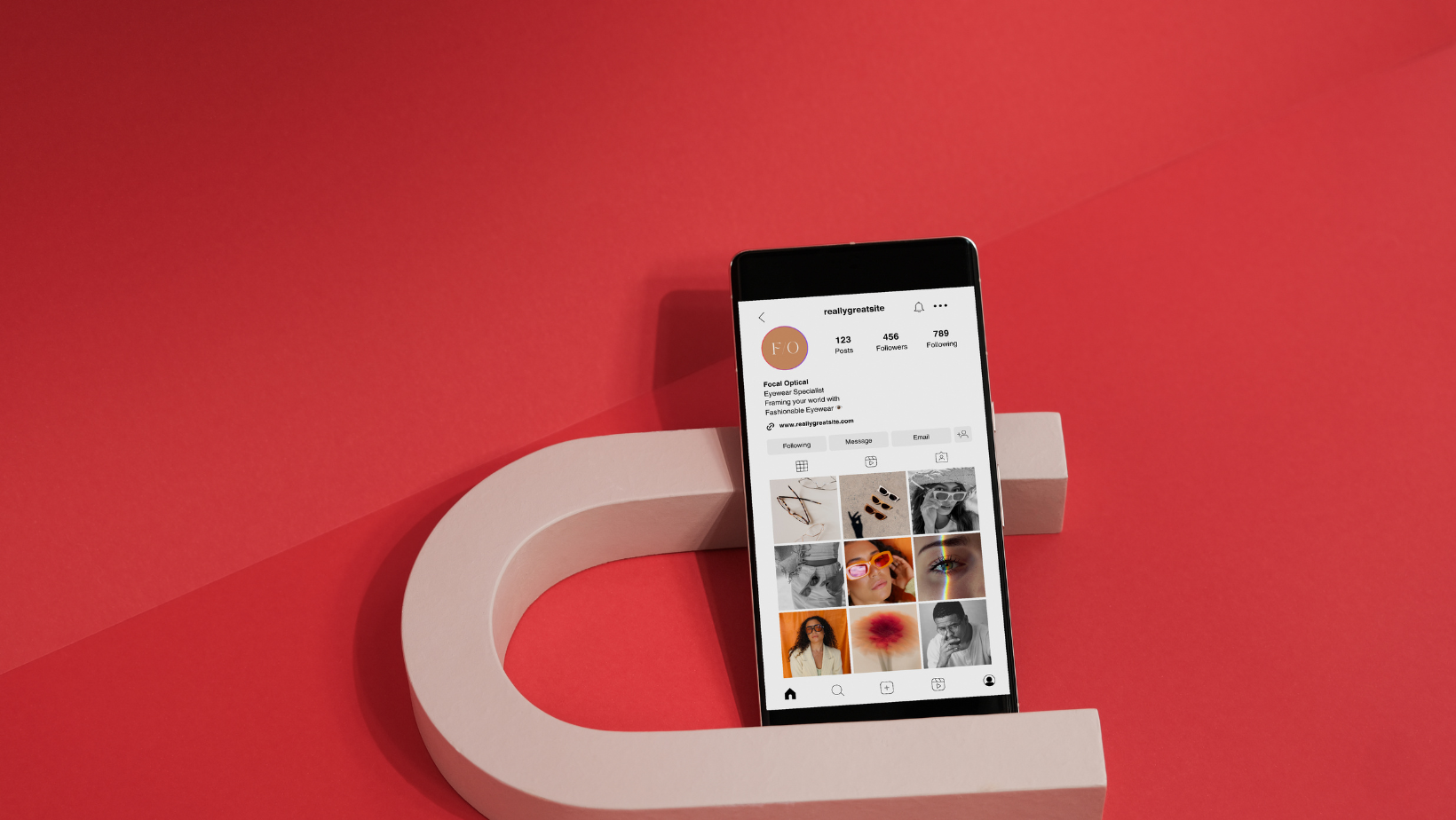
Over 4.95 billion individuals use social media worldwide, and platforms like Facebook, Instagram, and LinkedIn are no longer used just to stay in contact with buddies. They’re a necessity for companies. But many businesses do not do enough to smoothly integrate their site, social media, and marketing. This is where social media integration comes in.
What Is Social Media Integration?
In simple words, social media integration is connecting your social media pages to your website, email marketing, and other web channels. Instead of keeping them separate, integration causes them to work together and deliver a unified brand experience.
For example:
 a) When you shop at an online shop and look at Instagram photos of customers wearing their items, that’s social media integration. The example above is from a Charles & Keith website showcasing their customers styling their items on Instagram.
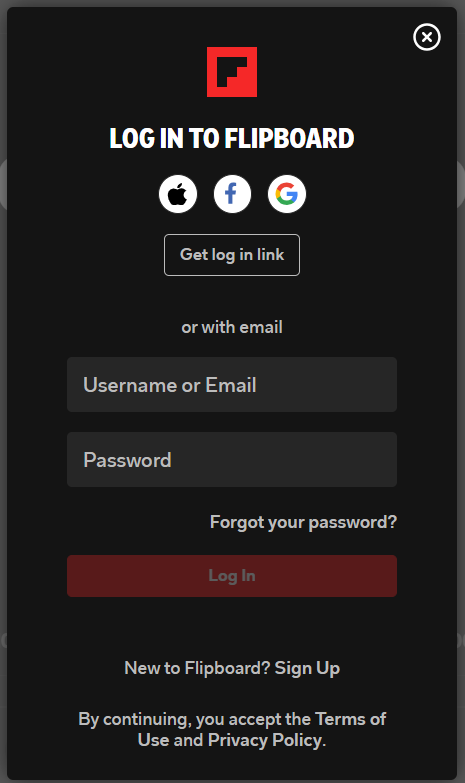
b) When you log in to a site through your Google or Facebook account, that’s another integration. The Flipboard login section is one great example that shows this.
 c) When you open an email and see a suggestion for an article like the one above, or a link to a company’s latest LinkedIn post, also integrated.
Why Does It Matter?
1) Boosts Engagement
Studies show that firms that integrate social media into their marketing see an improvement of 20–30% in engagement levels.
2) Improves Customer Experience
Consumers want a seamless experience between social media and your site. If they view a product on Instagram, they must be able to purchase it with a few clicks.
3) Boosts Brand Trust
Social media user-generated content (UGC), such as reviews or testimonials, can be used to add trust when shown on sites or ads.
How Does It Work?
 Here’s how you can integrate social media successfully in your business:
Embed Social Media Feeds on Your Website
Showcase your latest Instagram feed, TikTok clips, or LinkedIn posts on your homepage. Smash Balloon or Taggbox does it easily.
Use Social Logins
Make signing up or logging in using their Google, Facebook, or Apple account easier instead of creating a new one.
Add Social Sharing Buttons
Make it easy for your readers to share your blog posts, products, or news on their social media using a single click.
Sync Customer Support with Social Media
Brands like Nike use Twitter and WhatsApp as customer support tools, providing faster support than traditional email support.
Automate Cross-Platform Posting
Tools like Buffer or Hootsuite allow you to post on multiple platforms while optimizing content for each platform.
Final Thoughts
Social media integration isn’t just about connecting accounts—it’s about providing a consistent experience for consumers through touchpoints.
Whether logging in, buying, or engaging, businesses that leverage integration will stay ahead in a more connected world.
Are you using social media integration to its fullest potential?
If not, it’s time to get started. Click here for any of the services here to start and reach out to us: