How Immersive Videos Can Transform Brand Marketing
Traditional video has always been a powerful way for brands to tell stories. However, as audiences become more selective about the content they watch, simply showing people what a brand offers may no longer be enough. Businesses increasingly need to create experiences that invite audiences to explore, interact and feel connected to the brand.
That is where 360° & VR video production comes in.
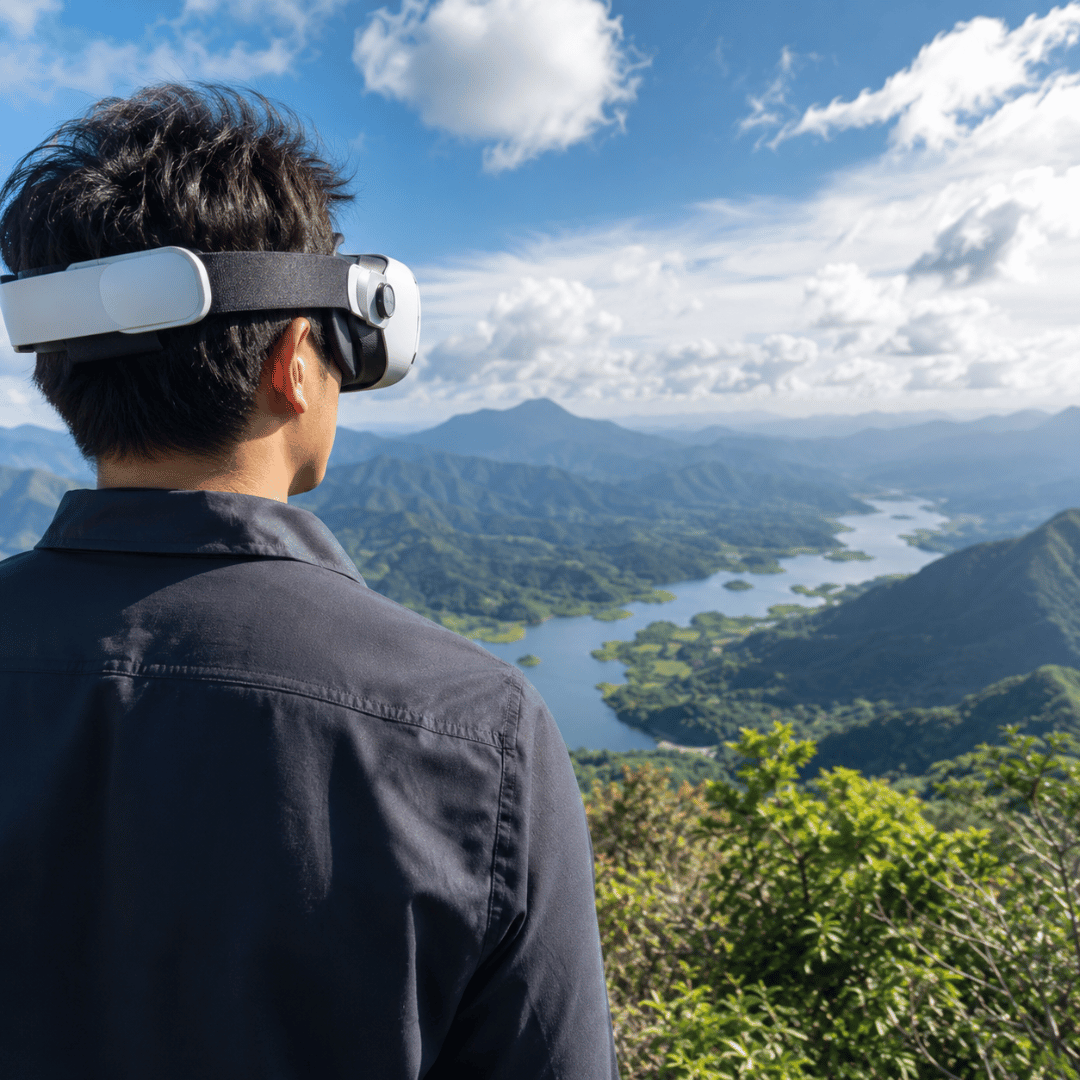
Instead of watching a scene from a fixed perspective, viewers can look around and experience the environment from different angles. With VR, the experience can go even further by placing audiences inside a digitally created or filmed environment. As a result, brands can turn ordinary video content into something much more memorable and engaging.
But how can businesses actually use immersive video for marketing? And is it suitable for every brand?
Let’s explore how 360° and VR video can support modern marketing strategies, what makes these formats effective, and how a professional production partner such as KNKV can help businesses turn an idea into an engaging visual experience.
What Is 360° & VR Video Production?
360° video captures an environment from multiple directions, allowing viewers to control their perspective as they watch. Instead of seeing only what the camera operator chooses to show, audiences can explore the surrounding space.
VR video takes the concept further by creating an experience designed specifically for virtual reality devices or immersive platforms. For example, a property developer could use 360° video to let potential buyers explore a show unit remotely. Similarly, a tourism brand could transport viewers into a destination before they book their trip.
In other words, immersive video changes the relationship between the audience and the content. Rather than simply watching, viewers become part of the experience.
Why Are Immersive Videos Becoming More Important for Brands?
Consumers see countless videos every day across social media, websites and digital advertising platforms. Consequently, brands are constantly looking for ways to stand out. Immersive video offers one possible solution because it encourages audiences to spend more time exploring the content.
More importantly, it can make a brand experience feel personal. A conventional product video might show a customer what a product looks like. A 360° experience, however, can allow them to look around a showroom, explore a venue or experience an event environment.
Therefore, immersive content can be especially useful when the experience itself is an important part of the marketing message.
What Are the Benefits of 360° & VR Video Production?
1. Create More Engaging Brand Experiences
First and foremost, immersive video gives audiences something to interact with. Instead of passively watching a video from beginning to end, viewers can explore the environment according to their own interests. This added sense of control can make the content feel more engaging. For brands, that means an opportunity to create a stronger connection with their audience.
2. Make Complex Products Easier to Understand
Some products and services are difficult to explain through conventional advertising alone. For instance, a company selling industrial equipment may need to demonstrate how a large facility operates. Rather than relying on multiple close-up shots, a 360° video can give viewers a broader understanding of the environment.
Similarly, educational institutions can use immersive content to showcase campuses, laboratories and facilities. As a result, audiences can understand the offering through visual experience rather than lengthy explanations.
3. Strengthen Storytelling
Good marketing is not simply about listing features. It is about creating a story that people can understand and remember. Immersive video provides another layer of storytelling because the environment itself becomes part of the narrative.
A hotel, for example, could create a virtual walkthrough that takes viewers from the entrance to the lobby, room and facilities. Meanwhile, a tourism company could create an immersive destination experience that allows audiences to explore a location before deciding to travel. This makes the story feel more tangible.
4. Help Brands Stand Out
Digital audiences are exposed to an enormous amount of similar-looking content. Therefore, producing something different can immediately create curiosity. A well-produced 360° or VR campaign can give a brand a distinctive visual identity while demonstrating its willingness to embrace new technology.
However, innovation should never be used simply for the sake of looking modern. The immersive format should have a clear purpose and support the campaign’s overall marketing objective.
5. Support Multiple Marketing Channels
Another advantage is flexibility. Immersive video can potentially be incorporated into websites, social media campaigns, digital activations, events, exhibitions, product demonstrations and other brand experiences.
Furthermore, sections of the production can often be adapted into supporting promotional content. This means one carefully planned production can contribute to a wider content strategy rather than existing as a standalone video.
How Can Different Industries Use 360° & VR Video?
Real Estate
Property businesses can use immersive video to provide virtual property tours. Potential buyers can explore rooms, layouts and facilities without needing to physically visit the location immediately. This can be particularly useful for reaching audiences who are still in the research stage.
Tourism & Hospitality
Hotels, resorts and tourism organizations can use immersive experiences to showcase destinations, rooms, facilities and attractions. Instead of simply saying that a location is beautiful, brands can give audiences a visual taste of the experience.
Education
Universities, colleges and training providers can create virtual campus tours, facility walkthroughs and interactive learning experiences. Consequently, prospective students can gain a better understanding of the environment before making a decision.
Retail & E-Commerce
Retail brands can experiment with virtual showrooms, product demonstrations and immersive shopping experiences. While immersive video cannot replace every physical retail experience, it can give online audiences a more detailed way to understand a product or environment.
Corporate & Events
Businesses organizing conferences, exhibitions and corporate events can use 360° video to document venues and experiences. Afterward, the footage can also become valuable marketing material for future events or corporate communications.
Automotive
Automotive brands can use immersive video to let audiences explore vehicle interiors, experience driving environments or understand product features. Rather than simply viewing a car from outside, viewers can be given a closer look at the experience of being inside it.
Is 360° & VR Video Suitable for Every Business?
Not necessarily. Although immersive technology can be exciting, the strongest campaigns begin with a clear marketing objective.
Before producing a 360° or VR video, businesses should consider several questions:
- What do we want the audience to experience?
- Who is the target audience?
- Where will the content be distributed?
- Does immersive video solve a genuine communication problem?
- What action should viewers take afterward?
- How will the content support the wider marketing campaign?
If the answer is simply “because VR is trending,” the concept may need more development.
On the other hand, if immersive video can help customers understand, explore or experience something more effectively, it may be a strong creative choice.
What Makes an Effective Immersive Video?
Technology alone does not make a successful marketing video. Instead, the production needs a strong combination of concept, storytelling, cinematography, sound design and audience strategy.
The environment should be interesting enough to explore, while the narrative should give viewers a reason to continue watching. Moreover, production quality matters. Poor stitching, distracting camera movement, weak audio or an unclear storyline can quickly reduce the impact of an immersive experience. That is why professional planning is essential from the beginning.
How Can KNKV Help With 360° & VR Video Production?
For businesses interested in exploring immersive content, KNKV can help turn a marketing objective into a visual production concept. Rather than approaching 360° or VR video as simply another filming format, KNKV can help businesses consider how the content fits into their broader marketing strategy.
This can include developing the creative concept, planning the production, creating engaging visual content and ensuring the final video supports the intended brand message.
For example, a business could start with a simple objective such as introducing a new venue, promoting a property, showcasing a facility or creating an engaging campaign experience. From there, the production can be shaped around the audience, platform and desired outcome. Most importantly, the goal is not just to create something that looks impressive. It is to create an immersive experience that gives the audience a reason to remember the brand.
Frequently Asked Questions About 360° & VR Video Production
1.What is 360° video?
360° video is filmed using specialized cameras that capture the surrounding environment in multiple directions. Viewers can then move their perspective around the scene, creating a more interactive viewing experience.
2.What is the difference between 360° video and VR video?
360° video focuses on capturing a real environment that viewers can explore from different perspectives. VR can include 360° footage but may also involve computer-generated environments, interactive elements and experiences designed specifically for virtual reality.
3.Is VR video only for large companies?
No. While immersive technology can involve specialized production requirements, businesses of different sizes can explore it when there is a clear marketing purpose. For smaller businesses, the key is to develop a focused concept rather than attempting to create an unnecessarily complicated experience.
4.Can 360° videos be used for social media marketing?
Yes. Depending on the platform and content format, immersive video can become part of a broader social media strategy. However, businesses should consider how viewers will interact with the content on mobile devices and how the experience translates across different platforms.
5.Is 360° video expensive to produce?
The cost depends on several factors, including the concept, location, equipment, crew, post-production requirements and level of interactivity. A simple 360° production will have different requirements from a highly customized VR experience. Therefore, businesses should define their objectives and scope before setting a production budget.
6.How can immersive video help with brand awareness?
Immersive video can make audiences feel more involved in the brand experience. When the concept is strong and the production is memorable, it can help create a stronger impression than conventional promotional content alone.
7.Should every business invest in VR marketing?
Not every business needs VR. The better question is whether immersive content can help communicate the brand’s message more effectively. If the answer is yes, then 360° or VR production could be a valuable addition to the marketing strategy.
The Future of Brand Storytelling Is Becoming More Immersive
Marketing continues to evolve alongside technology. While traditional video remains highly effective, brands now have more opportunities to create experiences that go beyond simply showing a product or telling a story.
360° & VR video production gives businesses the opportunity to invite audiences into their world. Whether it is exploring a property, walking through a hotel, experiencing an event or discovering how a product works, immersive content can make marketing feel more interactive and memorable.
However, the technology should always serve the story. With the right creative direction, production quality and marketing strategy, immersive video can become more than an impressive visual experiment. It can become a meaningful way for brands to connect with audiences.
For businesses considering their next video campaign, KNKV can help explore whether 360° and VR production is the right fit and, if it is, turn the idea into an engaging brand experience that audiences can genuinely connect with.