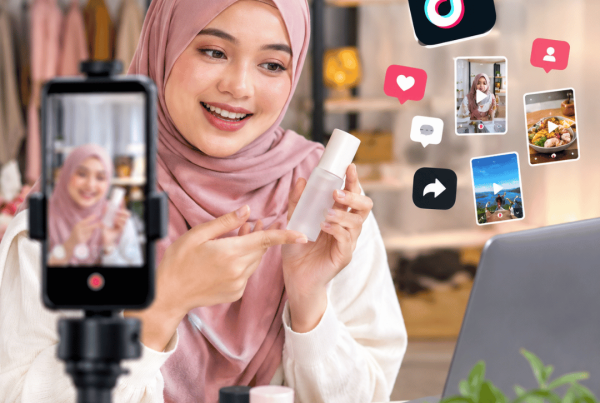

Type of Influencers on Social Media You Must Know
2024 remains hot with the dominant influence of influencers in the realm of social media, whereby a considerable share of budgets from marketers is devoted to this mode of marketing.
Recently, Influencer Marketing Hub came up with a report stating that the industry would amount to US$24 billion by the end of 2024, showcasing undeniable growth for brands in growth and audience engagement.
However, not all influencers are created equal, and understanding the types is important to creating an effective strategy.
1. Mega-Influencers
Those social media celebrities with over a million followers think A-list actors, athletes, and popular public figures.
Reach: Global audiences.
Best For: Creating awareness and buzz around brands.
Challenges: Very costly with limited niche-targeting capabilities.
Example: They are suited to collaborate with luxury brands or a global campaign.
2. Macro-Influencers

With followers ranging from 100,000 to 1 million, macro-influencers strike a balance between reach and relatability.
Reach: Large but slightly more specific than mega-influencers.
Best For: Mid-scale campaigns targeting a broad but niche-oriented demographic.
Challenges: Engagement rates might not be as high as smaller influencers.
3. Micro-Influencers
Micro-influencers typically have 10,000 to 100,000 followers and are trusted experts within a specific niche.
Reach: Moderate but highly targeted.
Best For: Driving authentic engagement and conversions.
Relatability: These influencers often feel more “real” and accessible to their audiences.
Statistics: Reports show they deliver 60% higher engagement rates compared to macro and mega influencers.
4. Nano-Influencers
Nano-influencers are everyday individuals with 1,000 to 10,000 highly engaged followers.
Reach: Small but highly personal.
Best For: Hyper-local campaigns or targeting very specific audiences.
Affordability: Ideal for brands with limited budgets looking for genuine partnerships.
5. Content Creators

Unlike traditional influencers, content creators focus more on producing high-quality, aesthetic, or educational content.
Platforms: Popular on YouTube, TikTok, and Instagram.
Best For: Collaborations where storytelling and visual appeal are key.
Versatility: Often combine elements of multiple influencer categories.
6. Subject-Matter Experts
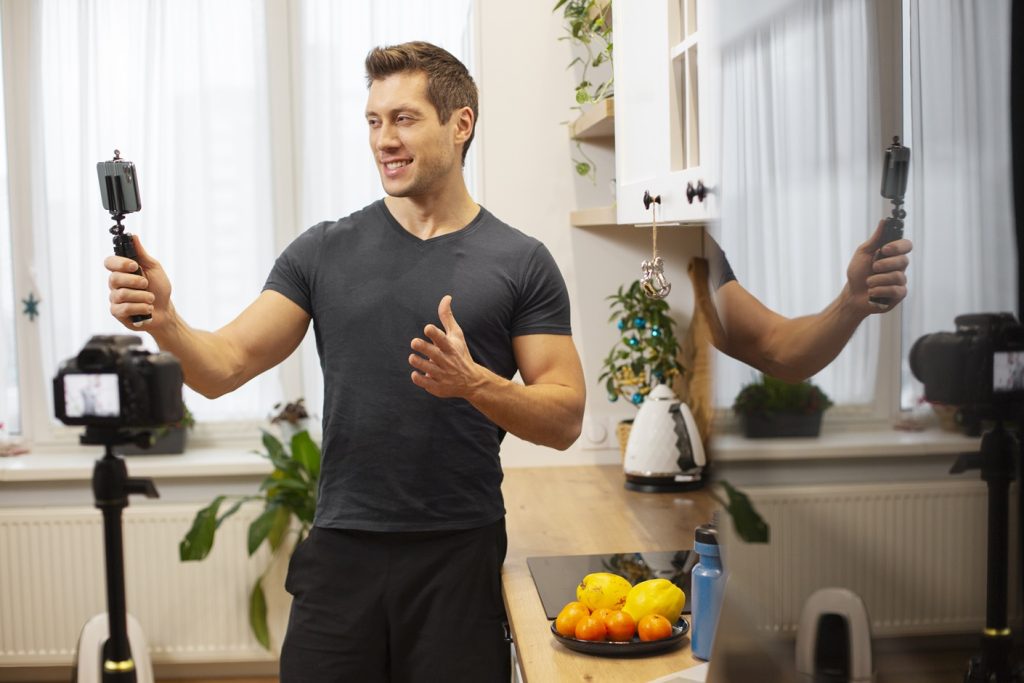
These are professionals with deep knowledge in a specific field—think chefs, nutritionists, doctors, dietitians, or fitness trainers.
Trust Factor: They bring credibility and authority.
Best For: Campaigns requiring technical or educational content.
Conclusion
It’s about your goal, your budget, and your target audience when selecting an influencer. The right fit can take your campaign from good to great. Remember, authenticity is the backbone of influencer marketing; hence, the selection should be made based on values that align with your brand.
Understanding the type of influencers on social media is the first step to leveraging this dynamic space to grow your brand effectively.