Events and Social Media: How to Turn Every Event Into a Powerful Marketing Opportunity
An event does not have to end when the lights go off, the guests leave and the last photo is taken. With the right strategy, it can continue creating attention long after the event itself is over. This is where social media event marketing comes in. By combining events with social media content, businesses can extend their reach, encourage audience interaction and turn one physical experience into multiple digital touchpoints.
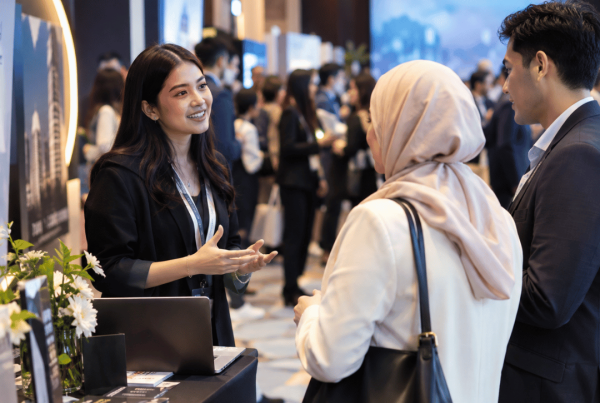
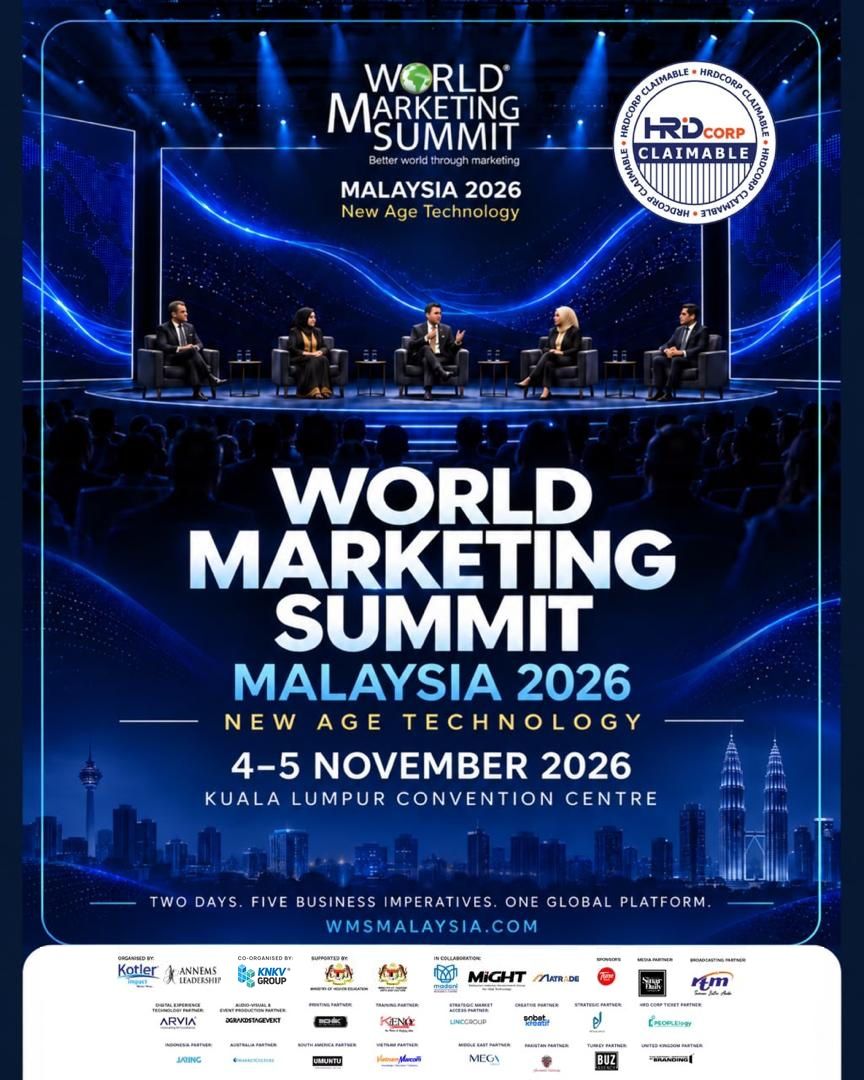
Whether it is a corporate event, product launch, roadshow, exhibition, seminar or brand activation, social media gives businesses the opportunity to bring people into the experience before, during and after the event. More importantly, it allows brands to connect with audiences who may never have attended in person.
So, how can businesses make the most of it? Let’s look at some of the most common questions about events and social media.
What Is Social Media Event Marketing?
Social media event marketing is the use of platforms such as TikTok, Instagram, Facebook and other digital channels to promote, document and extend an event. Instead of treating social media as an afterthought, businesses can make it part of the event strategy from the very beginning.
For example, before an event, social media can be used to build anticipation through countdowns, announcements, behind-the-scenes content and influencer collaborations. During the event, real-time videos, Stories, Reels and TikTok can capture what is happening and encourage people to engage. Afterwards, the content can continue working through highlight videos, photo albums, recap posts and customer-generated content.
In other words, one event can become a content opportunity that lasts for weeks rather than just a few hours.
Why Is Social Media Important for Business Events?
One of the biggest advantages of social media is its ability to take an event beyond its physical location. Imagine a roadshow happening in Kuala Lumpur. The people who attend are only part of the potential audience. A well-produced TikTok video from the event could reach thousands of people elsewhere. Likewise, an Instagram Reel featuring an interesting product demonstration could attract people who were not even aware that the event was happening.
Therefore, social media helps businesses increase visibility without relying entirely on physical attendance. It can also make an event feel more active and relevant. When people see real-time updates, customer reactions and behind-the-scenes moments, they get a sense of what the experience is actually like.
How Can Social Media Promote an Event Before It Starts?
The work should begin well before the event day. Rather than simply posting, “Join us this Saturday,” businesses can build a story around the event. For instance, brands can introduce the event concept, reveal speakers or guests, showcase products, share preparation footage or create a countdown.
Here are a few content ideas:
- Event announcement videos
- Countdown posts
- Behind-the-scenes preparation
- Speaker or guest introductions
- Product teasers
- Influencer invitations
- Interactive polls and questions
- Giveaway campaigns
- Short-form teaser videos
Most importantly, the content should give people a reason to care. Instead of telling audiences that an event exists, show them why they should want to be there.
Can Influencers and KOLs Help Increase Event Awareness?
Yes, especially when the selected creators already have an audience that matches the brand. KOLs and influencers can help introduce an event to their followers in a way that feels more personal than a traditional advertisement. For example, a creator could announce that they are attending a product launch, share their expectations before the event or create content while experiencing the activation.
However, choosing influencers based purely on follower count is not always the best approach. Engagement, audience demographics, content style and relevance to the campaign matter too. A smaller creator with a highly relevant audience may generate more meaningful interactions than a much larger creator whose followers have little interest in the product.
As a result, influencer selection should be based on the campaign objective rather than numbers alone.
What Should Businesses Post During an Event?
During the event, speed and authenticity become particularly important. Audiences do not necessarily want to see perfectly polished promotional graphics all the time. They also want to see what is actually happening.
Short videos can capture:
- Crowd reactions
- Product demonstrations
- Event highlights
- Guest appearances
- Interactive activities
- Performances
- Booth experiences
- Customer testimonials
- Behind-the-scenes moments
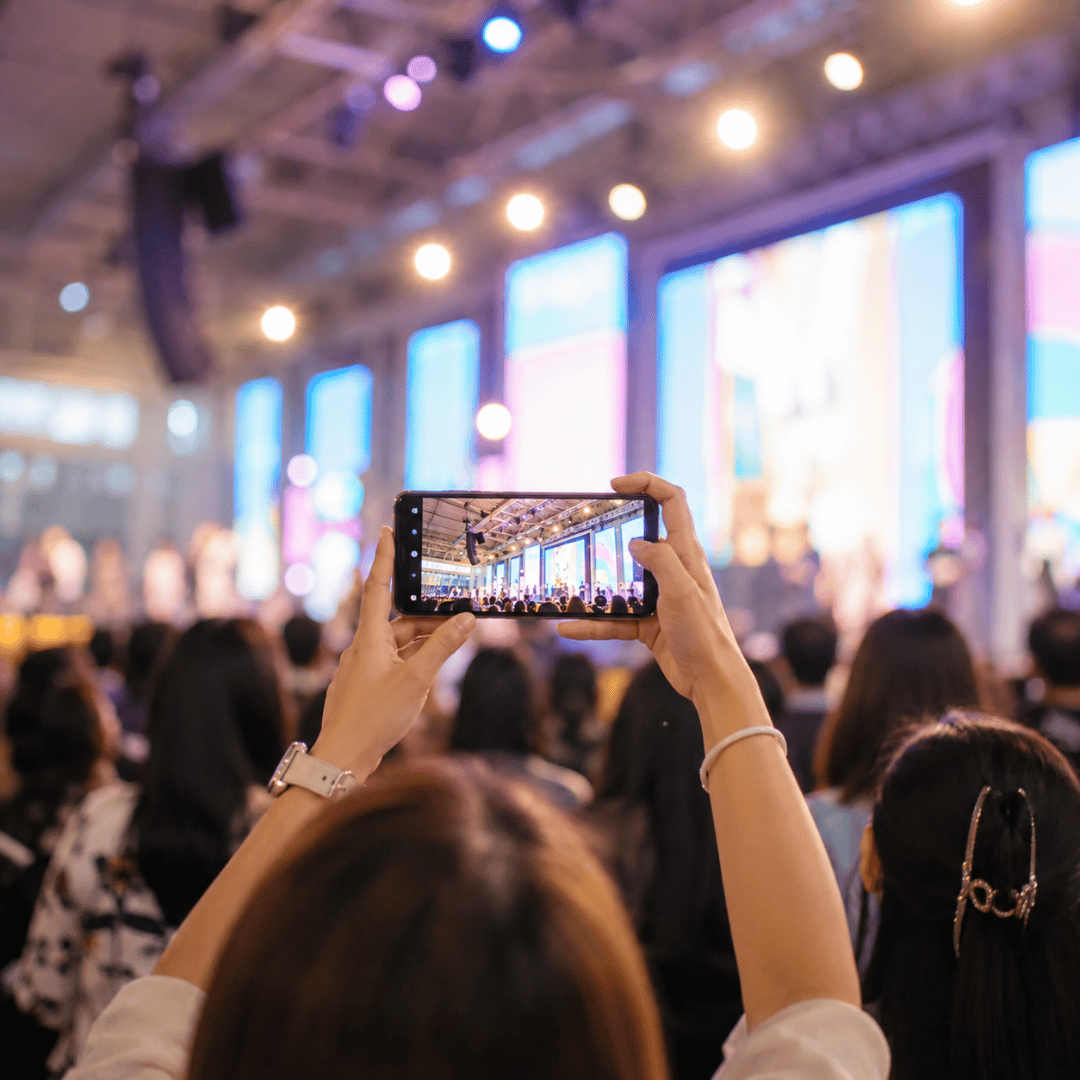
Furthermore, brands can encourage attendees to create their own content. A simple branded hashtag, photo opportunity or interactive activity can motivate visitors to share their experience. This creates user-generated content while giving the brand additional exposure through the attendees’ own social networks.
How Can Businesses Turn an Event Into More Content?
This is where event planning and content planning should work together. Instead of creating content randomly on the day, businesses can identify potential content moments beforehand. A product demonstration, keynote speech, customer interaction or unusual event activity could become its own social media asset.
One event could produce:
- TikTok videos
- Instagram Reels
- Stories
- Facebook posts
- Short highlight videos
- Customer testimonials
- Behind-the-scenes clips
- Photography
- Blog content
- Follow-up promotional content
Consequently, the value of an event is no longer limited to the people who physically attended. A single event can become a content library that supports the brand’s marketing efforts well beyond the event date.
Should Businesses Focus on TikTok or Instagram?
There is no universal answer because every business has a different audience and objective. TikTok can be particularly useful for short-form, entertaining and discovery-focused content. Instagram, meanwhile, can work well for visual storytelling, Reels, Stories and brand-building content.
Facebook may still be useful for community communication, event announcements and reaching established audiences. Depending on the business, LinkedIn can also be valuable for corporate events, conferences and professional networking.
Therefore, businesses should choose platforms based on where their target audience spends time rather than trying to post identical content everywhere. The important thing is not simply being present on every platform. It is creating content that fits each platform naturally.
What Happens After the Event?
This is one of the most overlooked parts of event marketing. Once the event is over, businesses often stop posting. Yet the post-event period can be just as valuable as the event itself. A recap video can remind attendees of their experience while introducing the event to people who missed it. Customer reactions can provide social proof. Professional photographs can strengthen the brand’s visual identity. Meanwhile, short clips can be repurposed into additional content for the following weeks.
For example, a business could publish a “best moments” Reel, followed by customer testimonials, behind-the-scenes footage and a final thank-you post. This creates a natural continuation rather than allowing the campaign to disappear immediately after the event.
How Does Social Media Help Measure Event Success?
Likes and views are useful, but they are not the only indicators businesses should consider.
Depending on the campaign, businesses can track metrics such as:
- Reach and impressions
- Video views
- Engagement rate
- Shares and saves
- Follower growth
- Website traffic
- Event registrations
- Leads generated
- User-generated content
- Influencer engagement
- Sales or enquiries
For instance, an event video with 100,000 views may look impressive, but if the campaign objective was to generate registrations, businesses should also examine how much traffic or how many sign-ups came from the campaign. In short, the right measurement depends on what the event was designed to achieve.
Can Events and Social Media Work Together for Small Businesses?
Definitely. A business does not necessarily need a huge event budget to benefit from social media. Even a small activation, pop-up event or community gathering can generate valuable content when it is planned strategically.
In fact, smaller events can sometimes create more intimate and relatable content. Real conversations, customer reactions and behind-the-scenes moments can make a brand feel more approachable. What matters most is having a clear idea of the story the business wants to tell.
How Can KNKV Help Businesses Connect Events With Social Media?
Planning an event is one thing. Making sure the event continues to create value online is another. This is where KNKV can support businesses that want to connect their event activities with a stronger digital marketing strategy. Instead of treating event management and social media as completely separate activities, KNKV can help businesses develop content and promotional strategies around the event itself.
For example, support can include event planning, roadshows, exhibitions, corporate events and social media marketing. Content can then be planned around important moments before, during and after the event, helping businesses maximize the exposure generated from their investment.
KNKV can also help businesses explore opportunities involving KOLs, influencers and social media content, depending on the campaign’s objectives and target audience. The goal is not simply to make an event look busy online. It is to make the event contribute to a larger marketing story.
Why Should Businesses Start Planning Social Media Before the Event?
Because waiting until the event day can mean missing some of the biggest opportunities. When social media is included from the planning stage, businesses have more time to develop creative concepts, prepare content schedules, identify potential KOL collaborations and decide what should be captured on-site. More importantly, the event can be designed with shareable moments in mind.
A visually interesting booth, interactive activity, product demonstration or memorable guest experience can encourage attendees to naturally create and share content. As a result, social media becomes part of the event experience instead of simply becoming a place to upload photos afterwards.
What Is the Biggest Mistake Businesses Make With Events and Social Media?
One common mistake is treating social media as a documentation tool rather than a marketing channel. Posting ten photos after an event may show that the event happened, but it does not necessarily create a strong reason for people to engage with the brand. Instead, businesses should think about the audience’s journey.
Before the event: Why should people pay attention?
During the event: What makes people want to participate or share?
After the event: What should people remember, explore or do next?
Once these questions are answered, social media content becomes much more purposeful.
How Can Businesses Get More Value From Their Next Event?
The best approach is to think beyond the event itself. An event can attract attention in the real world, while social media can amplify that attention online. When both are planned together, businesses have more opportunities to create awareness, generate engagement and continue conversations with their audience.
However, successful social media event marketing requires more than simply taking videos and posting them. It requires strategy, creative planning, the right platforms, suitable creators and content that connects with the intended audience.
That is why having the right marketing partner can make a difference. With experience across events, social media and digital marketing, KNKV can help businesses turn their event activities into content and marketing opportunities that continue working even after the event is over. Ultimately, the event may only last a day or two. The content, conversations and brand awareness it creates can last much longer.