How to Turn Event Attendees Into Long-Term Customers
Events are a great way for businesses to meet potential customers face-to-face, build relationships and create memorable brand experiences. However, getting people to attend your event is only the beginning. The real opportunity comes after the event, when you turn that initial interaction into a lasting customer relationship.
A strong event marketing strategy does more than attract people to an event. It creates meaningful touchpoints before, during and after the experience, giving attendees a reason to remember your brand and stay connected. With the right approach, a single event can become the starting point for long-term customer relationships, repeat purchases and stronger brand loyalty.
So, how can businesses make this happen?
What Makes Events So Valuable for Customer Acquisition?
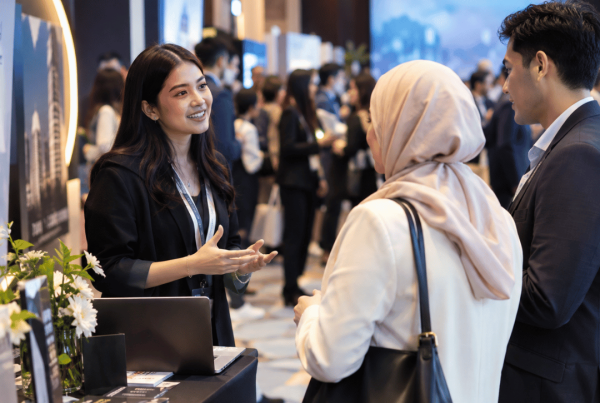
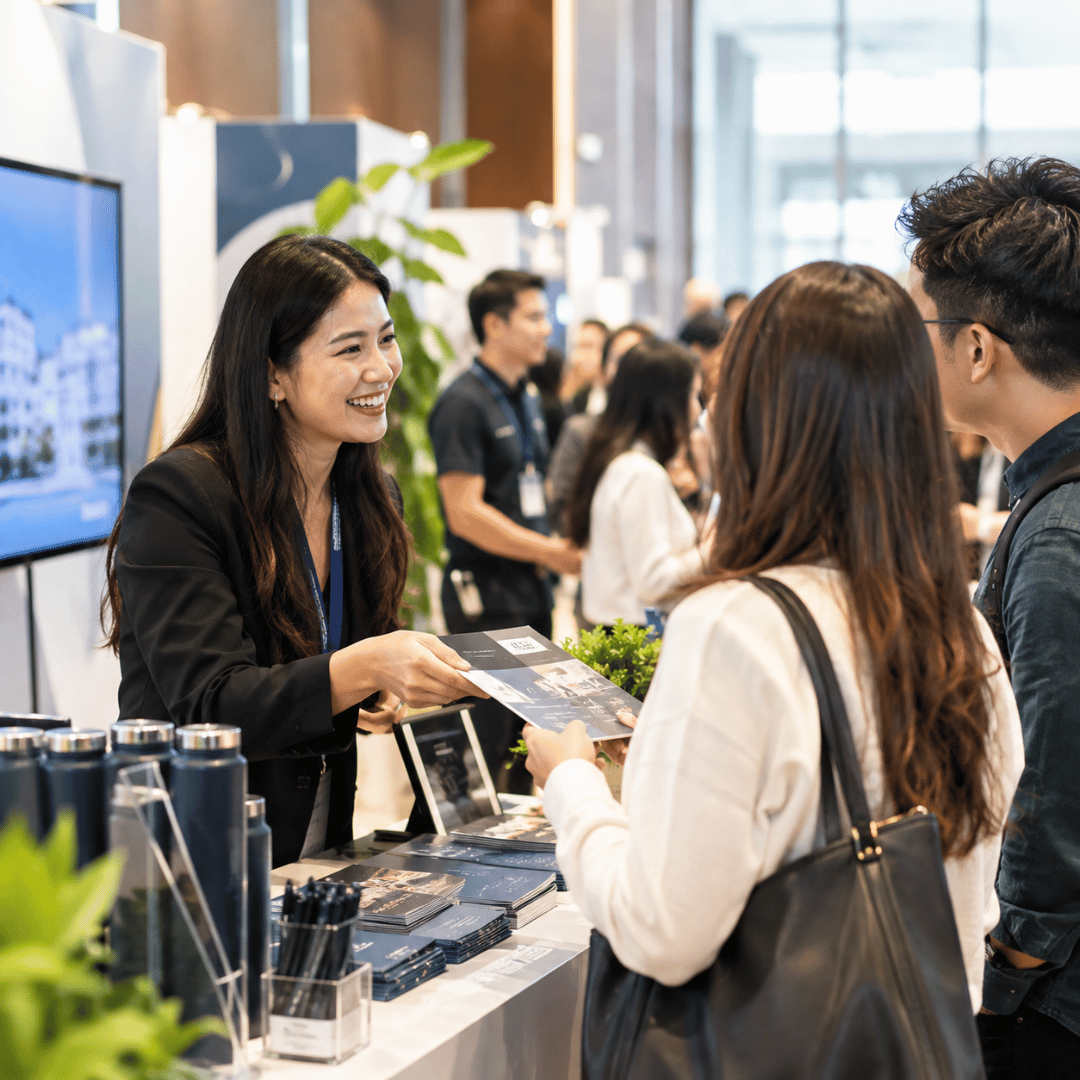
Unlike many forms of digital advertising, events give businesses an opportunity to interact directly with their audience. People can experience your products, speak to your team, ask questions and understand what your brand actually stands for. As a result, events can create a level of personal connection that is difficult to achieve through advertisements alone.
However, simply having a large crowd does not automatically translate into sales. For example, an event may attract hundreds or even thousands of attendees, but if there is no strategy to continue the relationship afterwards, most of those connections may disappear once the event ends.
That is why businesses should look at an event as more than a one-day activity. Instead, it should be treated as part of a wider customer journey.
How Can You Create a Strong First Impression Before the Event?
The customer journey starts long before attendees walk through the event entrance. Before the event, businesses should create excitement and give potential attendees a clear reason to participate. This could include social media content, teaser videos, influencer collaborations, email campaigns or engaging event announcements. More importantly, your communication should reflect the experience you want people to associate with your brand.
For instance, rather than simply saying:
“Join our event this weekend.”
You could highlight what attendees can expect, such as exclusive experiences, product demonstrations, networking opportunities, entertainment or special offers. As a result, attendees arrive with a better understanding of your brand and a stronger interest in what you have to offer.
How Can You Make Attendees Feel Connected to Your Brand?
Once attendees arrive, the focus should shift from simply attracting attention to creating genuine engagement.
A memorable event experience can involve many different elements, including:
- Interactive activities
- Product demonstrations
- Photo and video opportunities
- Live entertainment
- Games and challenges
- Brand activations
- Exclusive previews
- Giveaways and rewards
- Meaningful conversations with brand representatives
However, the most effective experiences usually have one thing in common: they encourage people to participate rather than simply watch. For example, a product demonstration becomes more memorable when attendees can actually try the product themselves.
Similarly, a brand activation becomes more valuable when guests can create content, share their experience and interact with the brand in a natural way. Therefore, businesses should think about how attendees will feel during the event, not just what they will see.
Why Is Data Collection Important at Events?
Creating a great experience is important, but businesses also need a way to continue the conversation after the event. This is where customer data can become extremely valuable. Depending on the event and applicable privacy requirements, businesses can encourage attendees to voluntarily provide information through registration forms, surveys, contests, loyalty programs or other opt-in activities.
For example, you could invite attendees to:
- Join your mailing list
- Follow your social media accounts
- Register for exclusive offers
- Participate in a post-event survey
- Sign up for a loyalty program
- Receive product updates
- Download an event-related resource
The key is to provide a clear reason for people to stay connected. After all, customers are more likely to share their information when they understand what they will receive in return.
How Do You Follow Up With Attendees After the Event?
This is one of the most important steps in turning attendees into long-term customers. Unfortunately, many businesses put significant effort into organizing an event but become quiet immediately afterwards.
That is a missed opportunity. Instead, follow up while the event is still fresh in people’s minds. A simple thank-you message can be a good starting point. From there, businesses can share event photos, videos, highlights, useful information, exclusive promotions or invitations to future activities.
For example, a follow-up campaign could look like this:
Day 1: Thank attendees for joining.
Day 3: Share event highlights and behind-the-scenes content.
Day 7: Introduce a relevant product or service.
Day 14: Offer an exclusive incentive or useful content.
Day 30: Invite them to another brand experience or campaign.
This approach keeps your brand visible without overwhelming the audience.
Most importantly, the communication should feel relevant rather than purely sales-driven.
Should You Use Social Media After the Event?
Absolutely. In fact, social media can extend the life of an event long after the physical experience has ended. Event photos, short-form videos, behind-the-scenes footage, attendee reactions and user-generated content can continue generating engagement weeks after the event.
For example, you can turn one event into multiple pieces of content:
- Event recap videos
- TikTok or Instagram Reels
- Customer testimonials
- Behind-the-scenes videos
- Attendee interviews
- Product demonstrations
- Event photography
- User-generated content
- Short educational clips
- Follow-up promotional content
Furthermore, encouraging attendees to post their own experiences can help create social proof. When potential customers see real people enjoying an experience with your brand, the content can feel more authentic than traditional advertising.
How Can User-Generated Content Help Build Long-Term Relationships?
User-generated content, or UGC, can play an important role in keeping the event conversation alive. Imagine an attendee posting a video about your event and tagging your brand. Instead of allowing that content to disappear after a few days, you can potentially repurpose it across your social media channels, website or future campaigns, with appropriate permission.
This creates a continuous cycle:
Event → Experience → Content → Engagement → Brand Awareness → Customer Relationship
As a result, your event does not end when attendees leave the venue. The experience continues through digital content and social conversations.
How Can You Turn Event Engagement Into Actual Sales?
Engagement is valuable, but businesses ultimately need to connect it to measurable business results. One effective approach is to create a clear next step for attendees. For example, after interacting with your brand, attendees could be encouraged to:
- Visit your website
- Try a product
- Claim an event-exclusive offer
- Book a consultation
- Visit a physical store
- Join a membership program
- Request more information
- Make a purchase
However, avoid pushing everyone towards the same action. Different attendees may be at different stages of the buying journey. Someone who has never heard of your brand may need more information, while an existing customer may be ready for an upgrade or repeat purchase.
Therefore, your follow-up strategy should consider the customer’s level of interest.
What Role Does Personalization Play After an Event?
Not every attendee has the same needs. Someone who attended a product demonstration may be interested in purchasing. Another person may have attended mainly for networking or entertainment.
Because of this, personalized communication can make your follow-up much more effective. Instead of sending one generic message to everyone, businesses can segment their audience based on their interactions, interests or preferences where appropriate.
For example:
Highly engaged attendees: Receive product information or an offer.
First-time prospects: Receive educational content.
Existing customers: Receive loyalty rewards or exclusive benefits.
Content creators: Receive future collaboration opportunities.
This makes communication feel more relevant and helps prevent your brand from becoming another source of unwanted promotional messages.
How Can KNKV Help Businesses Maximize Their Event Marketing Efforts?
Planning an event is only one part of creating a successful brand experience. The bigger challenge is making sure that the experience continues to deliver value after the event is over. This is where KNKV can support businesses with a more connected approach to marketing and content.
Rather than treating an event as an isolated campaign, KNKV can help businesses build content and marketing activities around the entire customer journey. This can include developing creative event concepts, producing engaging visual content, supporting social media campaigns, working with content creators and developing post-event content that keeps the audience engaged.
For example, the event itself can become a source of content for your social media channels. Attendee reactions can become UGC. Event highlights can become short-form videos. Product demonstrations can become educational content. Meanwhile, creator collaborations can help extend the reach of the experience to audiences beyond the event venue.
In other words, the goal is not simply to make an event look good. It is about making the event work harder for your brand. With the right planning and content strategy, businesses can turn one event into multiple marketing opportunities while maintaining a consistent brand message across different channels.
How Can You Measure Whether an Event Is Successful?
Attendance numbers are useful, but they should not be the only measurement. A successful event should ideally be evaluated based on what happens before, during and after the event.
Some useful metrics include:
- Number of registrations
- Attendance rate
- Social media engagement
- Content views
- Leads generated
- Website traffic
- New followers
- Customer enquiries
- UGC generated
- Conversion rate
- Repeat purchases
- Customer retention
Furthermore, tracking these results can help businesses understand which parts of the event strategy worked and which areas could be improved. For example, if an event generated strong social engagement but very few enquiries, the business may need to improve its post-event conversion strategy. On the other hand, if attendees generated significant UGC, that content could potentially become a stronger part of future campaigns.
What Is the Biggest Mistake Businesses Make With Event Marketing?
One of the biggest mistakes is treating the event as the final goal.
An event should not simply be:
Plan → Host → Finish.
Instead, think of it as:
Attract → Engage → Capture Interest → Follow Up → Nurture → Convert → Retain.
This shift in mindset can make a significant difference. After all, the people attending your event have already shown some level of interest in your brand. The opportunity is to continue building that relationship instead of starting from zero every time you launch a new campaign.
How Can You Turn One Event Into a Long-Term Marketing Asset?
The most successful brands understand that an event can produce value far beyond the event day. Think about everything you can capture throughout the experience: photographs, videos, customer reactions, testimonials, interviews, creator content, product demonstrations and behind-the-scenes moments.
With proper planning, these materials can be repurposed into content for weeks or even months.
For example, one event could generate:
Before the event: Teaser content and promotional videos.
During the event: Live content, stories and attendee interactions.
Immediately after: Event recap and thank-you content.
Following weeks: UGC, testimonials and educational videos.
Later: Case studies, future campaign content and promotional materials.
As a result, your marketing investment continues working even after the event has ended.
Why Should Businesses Think Beyond the Event?
Ultimately, people may forget what they saw at an event, but they are more likely to remember how the experience made them feel. That is why the best event marketing strategies focus on relationships rather than simply numbers.
A successful event should give people a reason to discover your brand, interact with it, talk about it and eventually come back. With the right combination of memorable experiences, engaging content, thoughtful follow-ups and consistent communication, businesses can turn event attendees into more than one-time visitors. They can become customers who continue to engage with the brand long after the event is over.
And with a partner like KNKV supporting the creative, content and marketing side, businesses can make every event count not just on the day itself, but throughout the entire customer journey.
Because the real success of an event isn’t measured by how many people walked through the door. It’s measured by how many meaningful relationships continue after they leave.