
How Companies Can Build Better Teams & Culture
Corporate events are often seen as a break from the usual office routine. However, when planned with the right purpose, they can do much more than provide entertainment. Well-designed corporate events can bring employees together, strengthen communication, improve collaboration and help create a healthier company culture.
In today’s working environment, building a strong team is not only about hiring talented people. Employees also need opportunities to connect, communicate and understand one another beyond their daily tasks. Therefore, activities such as team building programs, corporate retreats, annual dinners, conferences and employee appreciation events can play an important role in strengthening workplace relationships.
More importantly, successful corporate events should not feel like a compulsory activity with no clear purpose. Instead, they should create meaningful experiences that encourage participation, connection and shared memories. When employees feel more connected to their colleagues and the organization, they are often more motivated to contribute to common goals.
So, how can corporate events help companies build better teams and a stronger workplace culture? Let’s explore.
What Are Corporate Events?
Corporate events are organized activities or gatherings designed for employees, business partners, clients or other stakeholders. Depending on the company’s objectives, these events can focus on team development, networking, learning, recognition, brand awareness or relationship building.
Some common examples include:
- Team building programs
- Corporate retreats
- Annual dinners and appreciation events
- Business conferences and seminars
- Product launches
- Company celebrations
- Networking sessions
- Leadership workshops
- Employee engagement activities
- Corporate training events
Although the format may vary, the main objective should remain clear. A successful event should support a wider business or people strategy rather than simply filling the company calendar. For example, a company experiencing communication challenges between departments may organize a collaborative team-building program. Meanwhile, a growing organization may hold a corporate retreat to help new and existing employees build stronger relationships.
In other words, the best corporate events are designed around the people and the outcomes the company hopes to achieve.
Why Are Corporate Events Important for Company Culture?
Company culture is built through everyday experiences. It is shaped by how employees communicate, how leaders interact with their teams and how people feel when working together. Corporate events provide an opportunity to strengthen these experiences outside the usual work environment.
Firstly, employees can interact in a more relaxed setting. This often makes it easier for people from different departments or levels of seniority to communicate naturally. As a result, employees may discover common interests and develop stronger relationships.
Secondly, events can reinforce company values. If a business wants to encourage teamwork, creativity or innovation, the event itself should reflect those values. For instance, collaborative challenges can demonstrate the importance of working together, while creative workshops can encourage employees to think differently.
Furthermore, corporate events can help employees feel recognized and appreciated. A simple appreciation session, celebration or awards event can remind employees that their efforts are valued. Ultimately, a positive company culture cannot be created through policies alone. People need shared experiences, genuine interactions and opportunities to feel that they are part of something bigger.
How Do Corporate Events Build Better Teams?
1. They Improve Communication
Communication problems can easily develop when employees work in separate teams or focus only on their individual responsibilities. Over time, misunderstandings and unnecessary barriers may affect productivity.
Corporate events can create a different environment where employees are encouraged to communicate more openly. Team activities, discussions and group challenges often require participants to listen, share ideas and solve problems together. Consequently, employees may become more comfortable approaching colleagues after the event. Even small improvements in communication can have a positive impact on daily operations.
2. They Encourage Collaboration
Strong teams understand that success is rarely achieved by one person alone. Nevertheless, employees may not always have opportunities to work with colleagues outside their usual department.
This is where corporate events can make a difference. By mixing employees into different groups, companies can encourage new forms of collaboration. Participants may work with people they would not normally interact with, allowing them to understand different perspectives and working styles.
As a result, departmental silos can gradually become weaker, while cross-functional relationships become stronger.
3. They Build Trust Between Employees
Trust is one of the foundations of effective teamwork. Without trust, employees may hesitate to share ideas, ask for help or take responsibility.
However, trust takes time to develop. Corporate events can create situations where employees depend on one another to complete a challenge or achieve a shared objective. Whether the activity involves problem-solving, physical challenges or creative tasks, participants learn how their teammates respond in different situations. Moreover, employees may discover strengths in their colleagues that are not always visible in the office. This can lead to greater respect and appreciation within the team.
4. They Create Shared Experiences
Shared experiences can bring people closer together. When employees laugh, solve problems or overcome challenges together, they create memories that continue beyond the event itself. These moments may seem simple, yet they can have a lasting effect on workplace relationships.
For instance, a team that successfully completes a difficult challenge together may later use that experience as a reminder of what they can achieve through collaboration. Similarly, a memorable company retreat can help employees feel more emotionally connected to the organization. Therefore, corporate events should aim to create experiences that people genuinely remember rather than simply following a standard program.
5. They Improve Employee Engagement
Employee engagement is closely connected to how people feel about their workplace. Employees who feel connected to their colleagues and organization are generally more likely to participate, contribute ideas and take pride in their work.
Corporate events can support engagement by giving employees opportunities to feel involved. However, participation is important. An event where employees only sit and watch may not create the same impact as one that encourages interaction. Therefore, organizers should include activities that allow participants to contribute, communicate and take part in meaningful ways.
What Types of Corporate Events Are Best for Team Building?
The best type of event depends on the company’s goals, team size and workplace challenges.
Team Building Programs
Team building activities are particularly useful for improving communication, collaboration and problem-solving. They can range from outdoor challenges to indoor workshops and creative group activities. However, the activities should suit the participants. A successful program considers different personalities, physical abilities and comfort levels.
Corporate Retreats
A corporate retreat allows employees to step away from their usual work environment and focus on connection, planning or team development. In addition to recreational activities, retreats can include strategy discussions, leadership sessions and reflection exercises. Therefore, they can balance business objectives with employee engagement.
Annual Dinners and Appreciation Events
Recognition plays an important role in employee satisfaction. Annual dinners, award ceremonies and appreciation events provide an opportunity to celebrate achievements and acknowledge employee contributions. When done well, these events can strengthen a sense of belonging and make employees feel valued.
Corporate Training and Workshops
Training events do not have to feel repetitive or overly formal. Interactive workshops can encourage employees to learn new skills while engaging with colleagues. For example, leadership, communication or creative thinking workshops can combine professional development with team interaction.
Family Days and Company Celebrations
Family-oriented events can help employees connect on a more personal level. They also show that the organization recognizes employees as individuals with lives beyond work. As a result, these events can create a warmer and more inclusive company environment.
How Can Companies Make Corporate Events More Meaningful?
Simply organizing an event is not enough. To create a real impact, companies should begin with a clear purpose.
Start With Clear Objectives
Before choosing a venue or planning activities, ask an important question:
1.What should employees gain from this event?
The objective may be to improve communication, welcome new employees, celebrate achievements or strengthen collaboration. Once the purpose is clear, the event programme can be designed around it.
2.Understand the Audience
Every organization is different. What works for a young and energetic team may not work for a diverse workforce with different preferences. Therefore, organizers should understand their participants before finalizing activities. Employee age groups, interests, physical capabilities and workplace dynamics should all be considered.
3.Create Opportunities for Genuine Interaction
One common mistake is filling the entire program with presentations and speeches. While information is important, employees also need opportunities to interact naturally. Ice-breaking activities, group challenges and informal networking sessions can help create stronger connections.
4.Balance Fun With Purpose
Fun is an important part of corporate events, but entertainment should not be the only focus. The strongest events balance enjoyment with meaningful outcomes. Participants should leave feeling that they had a good experience while also gaining something valuable from it.
5.Collect Feedback Afterwards
Feedback helps companies understand what worked and what could be improved. After the event, organizers can gather employee opinions through surveys or informal discussions. This information can be useful when planning future corporate events and employee engagement programs.
What Are the Common Mistakes Companies Should Avoid?
Choosing Activities Without a Clear Purpose
An activity may be entertaining, but if it does not support the event’s objectives, its impact may be limited. Instead, every major part of the program should have a reason for being included.
Making Participation Feel Forced
Employees are more likely to enjoy an event when they feel comfortable participating. Activities that embarrass participants or place unnecessary pressure on them can create the opposite effect. Therefore, inclusivity and psychological comfort should always be considered.
Ignoring Different Employee Personalities
Not everyone enjoys loud, highly competitive activities. Some employees may prefer creative, strategic or discussion-based experiences. A balanced program gives different personalities opportunities to participate and contribute.
Focusing Only on Logistics
Venues, food and decorations matter, but they are only part of the experience. The real value comes from how employees feel and interact throughout the event. Therefore, companies should focus on both event execution and participant experience.
How Can KNKV Help Companies Organize Impactful Corporate Events?
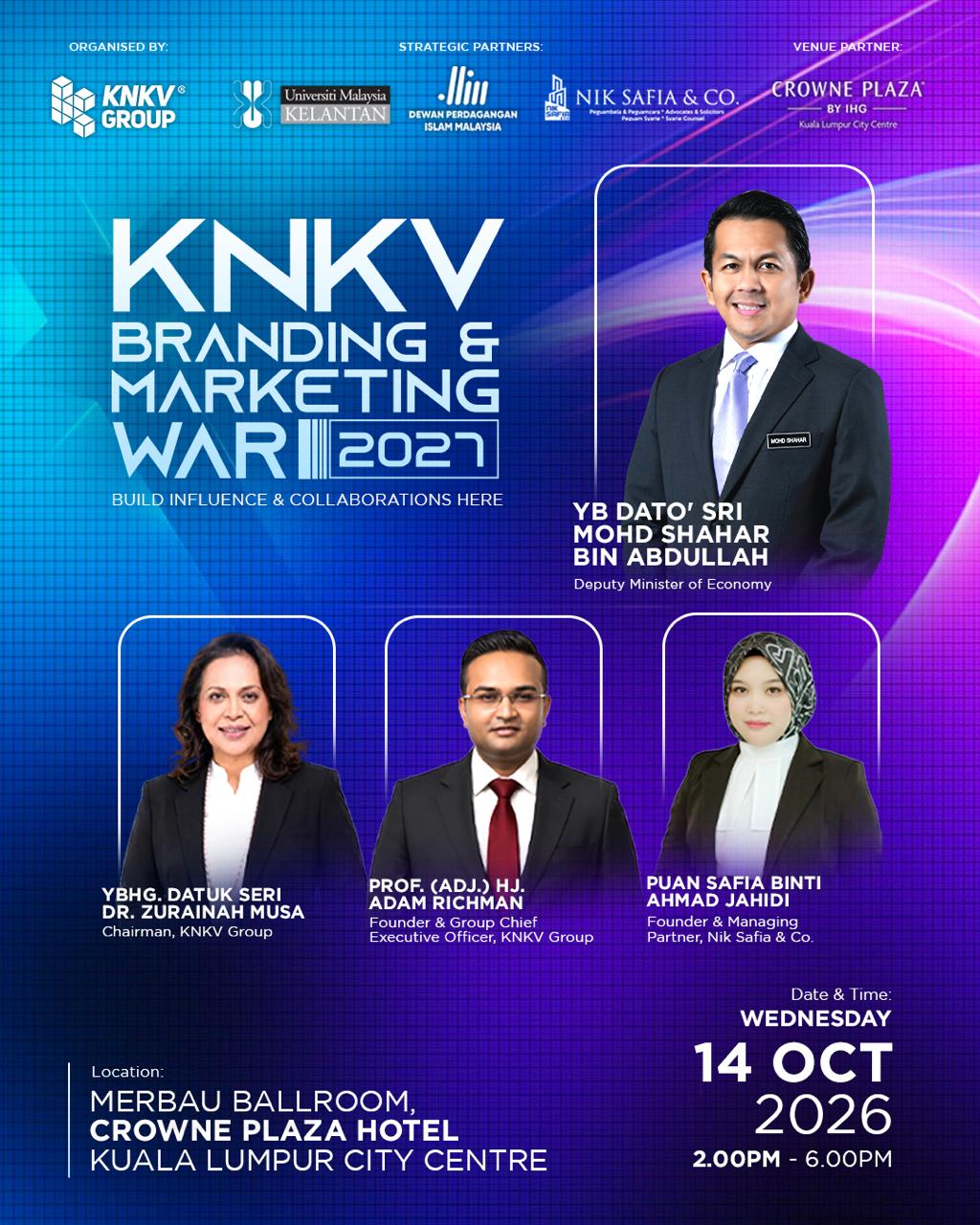
Planning successful corporate events requires more than booking a venue and preparing an itinerary. Companies need to consider the event concept, audience, activities, communication, branding and overall experience. This is where KNKV Group can support businesses looking to create more meaningful and engaging corporate experiences.
KNKV can help businesses develop corporate event concepts based on their goals, whether the focus is team building, employee engagement, company culture, training or brand experience. Rather than relying on a one-size-fits-all approach, the event can be planned around the company’s objectives and target participants. From event strategy and creative concepts to content, activities and audience engagement, KNKV can help businesses create experiences that feel organized, relevant and memorable.
Furthermore, companies that want to combine corporate events with digital content can also benefit from a more integrated approach. Event moments can be transformed into engaging content that supports employer branding, internal communication and online visibility.
In short, a well-planned corporate event can become more than a single-day activity. With the right strategy and execution, it can contribute to stronger relationships, better employee engagement and a more connected company culture.
Frequently Asked Questions About Corporate Events
1. What is the main purpose of corporate events?
The purpose of corporate events depends on the company, but common goals include improving teamwork, strengthening employee engagement, building relationships, providing training and recognizing employee achievements.
2. How do corporate events improve company culture?
Corporate events create opportunities for employees to interact, communicate and share experiences outside their normal work routines. This can strengthen relationships and reinforce positive company values.
3. Are corporate events only for large companies?
No. Small and medium-sized businesses can also benefit from corporate events. The event can be scaled according to the company’s budget, team size and objectives.
4. How often should companies organize corporate events?
There is no fixed answer. Some businesses organize smaller engagement activities throughout the year and larger events annually. The best approach depends on employee needs and company goals.
5. What makes a corporate event successful?
A successful corporate event has clear objectives, relevant activities, smooth organization and strong participant engagement. Most importantly, it should create a positive and meaningful experience for attendees.
6. Can corporate events help reduce workplace silos?
Yes. Events that encourage employees from different departments to work together can improve cross-functional communication and help build stronger relationships across the organization.
7. How can KNKV support corporate event planning?
KNKV can support businesses through event concepts, strategic planning, creative ideas, audience engagement, content and integrated marketing approaches to help create more meaningful corporate experiences.
Corporate events are not simply opportunities for employees to take a break from work. When planned strategically, they can become powerful tools for building stronger teams and creating a healthier company culture.
By improving communication, encouraging collaboration, building trust and creating shared experiences, companies can help employees feel more connected to one another and to the organization.
However, meaningful results require more than a standard event program. Companies need clear objectives, relevant activities and an understanding of what their employees genuinely need. That is why thoughtful planning matters. With the right strategy, creativity and execution, corporate events can become experiences that employees remember long after the event has ended.
For businesses looking to create engaging and purposeful corporate events, KNKV Group can help transform ideas into experiences that support stronger teams, deeper engagement and a more positive workplace culture.