How to Improve Sales Performance in Retail
Retail sales performance in the current retail scenario is not about merely moving goods; it’s an experience to build, operations to streamline, and new approaches to apply.
Recent forecasts have predicted retail sales worldwide to grow 4.5% in 2025, with 22.3% of total retail sales through electronic commerce. That will challenge retail stores to move at a pace that keeps them in tune with the demand and the behavior of buyers.
The following are tips for improving retail sales performance.
1) Make Your Store Give a Pleasant Vibe
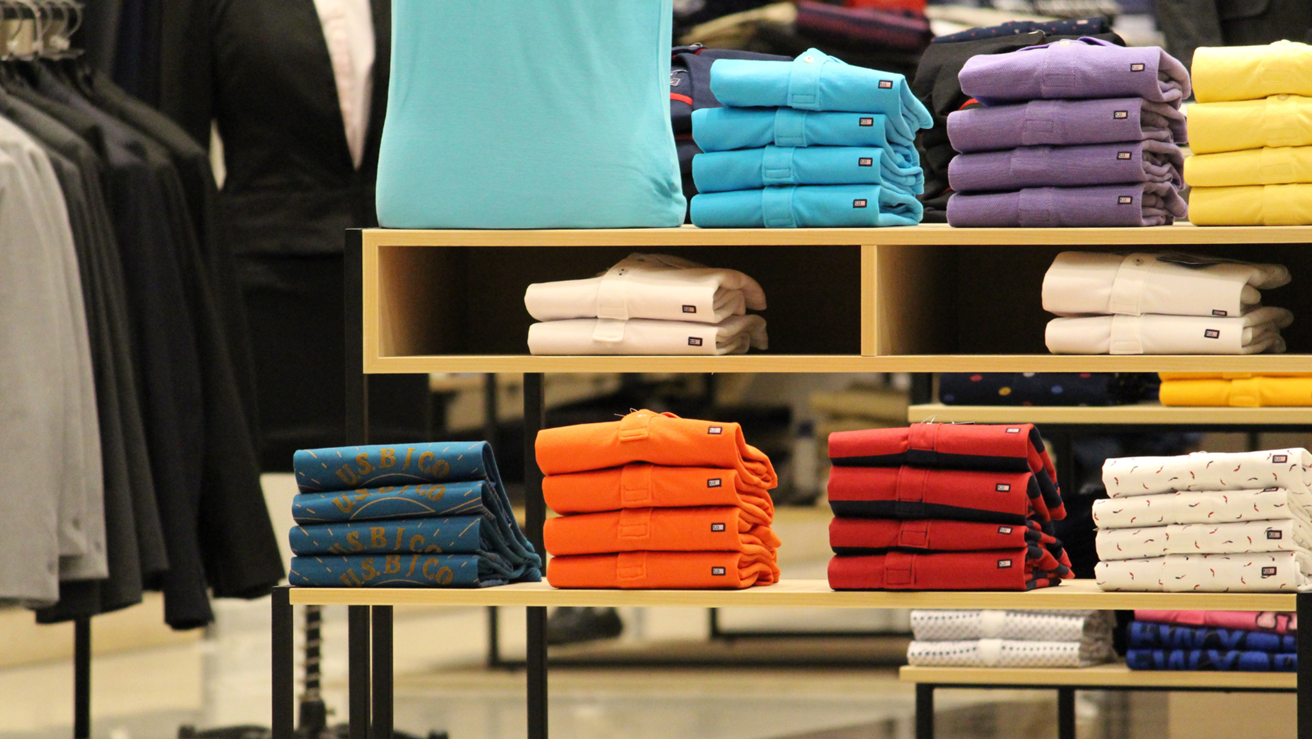
Optimize store format with merchandise placed in a logical sequence, with high-margin and impulse items at checkout stands. For instance, impulse items such as gum, candy, or magazines can make customers put them in their basket.
Not only that, offering an easy method to checkout with self-service and mobile payment solutions for quick checkout leaves happy buyers.
2) Train Them With Sales and Reward The Staff
The most valuable asset is having staff that know exactly about the products they sell. Equipping them with this knowledge will help these salespeople to confidently speak about a feature and benefit of a product and deliver value through recommendations to buyers.
Teach your employees how to serve your customers with an engaging and friendly attitude. Customer service at its best empowers workers to speak with buyers at a one-on-one level, and thus make purchases that are made just for them.
Don’t forget to reward your staff’s efforts. Incentives in terms of sales, reward, or reward programs motivate and drive workers for performance.
3) Blend Online & In-Store Shopping (Omnichannel Strategies)
Shoppers now prefer both in-store and online, and this is why omnichannel strategies have become a necessity. Consumers can check the availability in-store and buy for in-store pickup. This saves them time and drives store traffic and sales.
Promote offline buying events through platforms such as Instagram and TikTok. Using store representatives like influencers, they can help promote goods, reveal discounts, and answer real-time questions.
Interactive in its format, such an activity generates sales and engenders brand loyalty.
4) Use Data to Personalize Shopping
Data is the most valuable thing to understand customers and to improve sales. Using CRM tools will monitor buyers’ buying behavior and preferences for campaign effectiveness improvement.
For example, when a customer makes a regular purchase of certain products, recommend personalized promotions of similar items. This will improve the chances for conversion to happen.
Additionally, use loyalty programs to reward customers so they can become repeat buyers. Early sales, access to new products, and giving them free items after reaching a milestone will make them happy and encourage them to come back.
5) Play Smart with Pricing & Promos
Price is a powerful buying driving force, and stores can capitalize on real-time prices to become competitive. That involves altering prices in real-time with demand, competitor prices, and real-time availability.
For example, when a product is in high demand or low availability, the price can be increased a little but not at a sales loss. On the other hand, when availability is high, then the price can go down in an attempt to sell out stocks.
Aside from the real-time price, offering bundle deals can work towards driving sales effectively. With a “buy one, receive one for a half price” offering, buyers will perceive that they’re getting value for money.
Don’t miss such significant buying events as Black Friday, for example, or even the school-back period. This is the best chance to sell out overstocked items.
6) Improve Your Digital Presence
Having an optimized web presence is crucial today. Having a slow, outdated website drives them off your website. Ensure your site loads fast and is simple with a smooth checkout feature. Keeping it simple for buyers, and this can turn web visits into actual purchases.
Advertising with specific ad campaign use in Google, TikTok, and LinkedIn is yet another great alternative. These platforms allow one to target buyers with buyers’ interest, location, and past activity with your store.
For example, Google Ads can target buyers searching for similar goods in real-time and therefore compel them to make a purchase.
Lastly, encourage your buyers to review and give feedback. You can improve your store better and gain more positive feedback for your store.
Conclusion
It will, in fact, be a store with a sharp eye for a tremendous buying experience, training its workforce, actionable insights, and omnichannel approaches that will enjoy significant sales performance improvement.
That is all about agility and experimenting with new, then continuously optimizing, listening to buyers, and keeping in tune with the pace of the retail market.
Want to improve your retail sales? We can help. Click here to learn more about it with our