Music is more than background noise. It’s a powerful emotional contagion that influences what we buy, how long we stay, and how we feel about a brand.
Have you ever caught yourself listening to the tune in a store and slowing down or even buying one extra thing? It’s not coincidental.
According to Veritonic, 64% say they have a closer bond with brands that have consistent sound identities across all platforms.
Meanwhile, research by the Journal of Consumer Research shows that background music has an effect on shopping duration, purchase intention, and even product perception.
Those brands that get it just right with their soundtrack can create an emotional pull directly translatable to sales.
Emotional Contagion: How Music Affects Consumer Behavior

Emotional contagion is how individuals absorb and mirror emotions around them. These emotions are caused by music.
Peppy, high-energy music produces energy, which gets a customer’s mood up and enhances impulse purchaseability.
Slow, relaxing music, on the other hand, gets customers to linger, which translates to bigger basket size. Now you know that’s why luxury boutiques use soft classical or jazz music.
The quiet, refined sound feels luxurious, making customers increasingly comfortable with a higher price.
Conversely, intense pressure and high-energy beats are pure magic at flash sales, creating a sense of urgency and FOMO (fear of missing out), making customers jump into action.
How Brands Use Music to Drive Sales
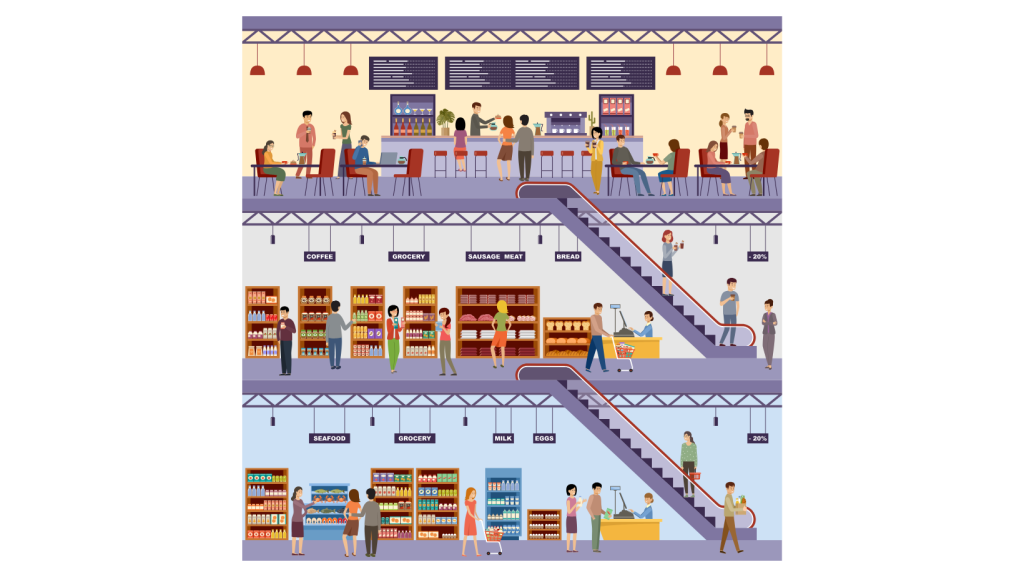
Retailers and advertisers have come to recognize the strategic value of using music. Department stores turn up the tempo with energetic beats to keep customers on the move and engaged.

For instance, brands like Miniso use upbeat, feel-good tunes so people feel happy shopping at the store. The music makes people associate happiness with the brand. When people feel happy, they are more likely to buy impulsively.
Coffeehouses and bookstores choose easy, calming playlists to create a cozy atmosphere where people will stick around and stay awhile.
On the internet, e-commerce web pages and social media advertisers employ the potential of music to induce action.
A study from Leicester University found that people are 96% more likely to remember brands that use music that matches their identity. That’s because emotional soundtracks in video commercials get content remembered better, resulting in increased rates of engagement and improved conversions.
Restaurants also know the trick—high-end restaurants that play gentle, classical music see up to 15% increased spending per table. Though they use lively rhythms to keep customers moving and turnover tables quicker.
Different Types of Music and Their Role
Energetic and fast music: Creates excitement, encourages impulse buying, and works well in retail stores and fashion stores.
Slow and calming music: Encourages longer browsing time; hence, it works well in bookstores, upscale retail, and spas.
Classical and jazz music: Enhances sophistication, highlighting luxury brand value for hotels, luxury retailers, and fine dining restaurants.
High-energy electronic or pop music: Generates excitement and a sense of urgency, perfect for flash sales, athletic brands, and experiential marketing.
Acoustic and indie music: Projects warmth and authenticity, an excellent choice for artisanal brands, coffee shops, and lifestyle retailers.
Making Music Work for Your Brand
Want to use music as a conscious business tool? Start with making sure your music strengthens your brand.
If your brand is luxurious, playful, or edgy, so should your playlist.
AI-powered software like Soundtrack Your Brand and Mood Media interprets consumers’ behaviors to allow businesses to create the optimum playlists for their customers.
Another clever tactic is A/B testing.
Experimenting with various music styles in stores or online advertising can establish what will best suit your shoppers.
And don’t forget cultural sensitivities. Music can produce wildly different reactions within different crowds, so make sure your soundtrack energizes, not alienates, your audience.
Emotional Contagion is Happening
Music is not just a branding device. It’s a scientifically proven method of influencing emotions, making decisions, and driving sales. Emotional contagion through music is a business revolution in customer engagement.
In a shopping environment, online, or in an ad, the right music can turn passive browsers into active purchasers.
Brands that can access the power will not only have more effective customer experiences but also measurable sales and loyalty growth.
Want to learn more on how to drive sales for your business?
We can help. Click here to book our Sales and Leadership program! (and it’s HRDF claimbable too!)