
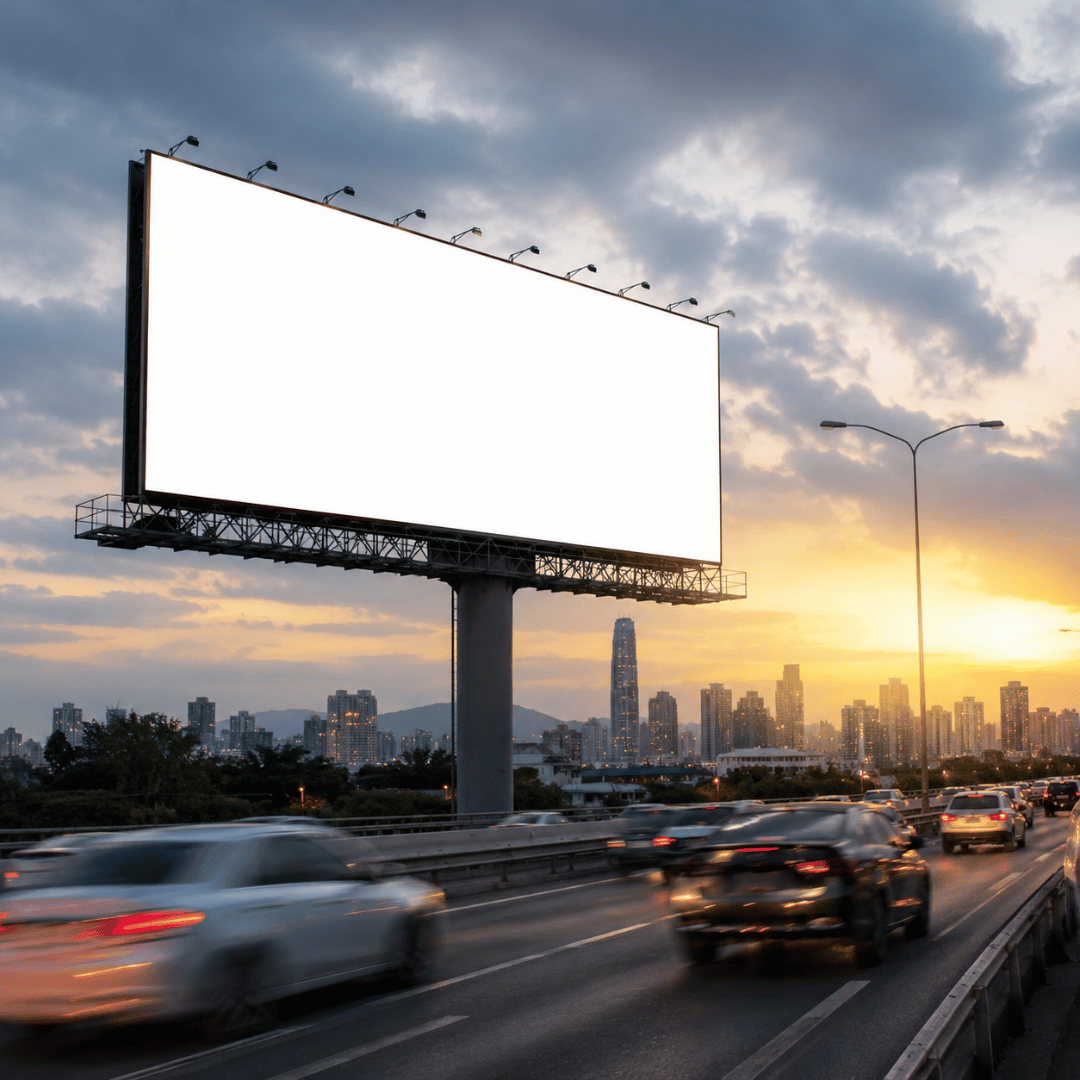
Billboard Advertising: Is Outdoor Advertising Still Effective for Modern Businesses?
In a world where businesses compete for attention across Google, TikTok, Instagram and countless other digital platforms, it is easy to assume that traditional advertising has lost its impact. However, some advertising formats continue to stand out because they reach people in the real world, and billboard advertising is one of them.
Whether placed along a busy highway, near a shopping center or in a high-traffic commercial area, billboards can put a brand directly in front of thousands of people every day. More importantly, they do not depend on users clicking, scrolling or actively searching for an advertisement.
So, what makes billboard advertising effective? What types of billboards can businesses use? And how can companies make sure their outdoor campaigns actually deliver results? Let’s explore how billboard advertising works and how businesses can use it as part of a wider marketing strategy.
What Is Billboard Advertising?
Billboard advertising is a form of out-of-home (OOH) advertising that uses large-format displays to promote a brand, product, service, event or campaign.
These advertisements are typically positioned in places with high visibility and consistent foot or vehicle traffic. For example, businesses may place billboards along major roads, highways, city centers, public transport routes or near commercial areas.
Unlike digital advertisements that disappear when someone closes an app, a billboard remains visible throughout the campaign period. As a result, repeated exposure can help people become more familiar with a brand over time.
Why Is Billboard Advertising Still Important?
One major advantage of billboard advertising is simple: visibility. People may ignore online advertisements, skip videos or scroll past social media posts. However, a strategically positioned billboard can become part of their daily surroundings.
For example, someone commuting to work may pass the same billboard every morning. Even if they do not immediately respond to the advertisement, repeated exposure can gradually increase brand recognition.
Moreover, billboards can complement digital marketing rather than compete with it. A person may see a billboard for a brand on their way to work and later encounter the same brand on Instagram or Google. This creates multiple touchpoints, making the overall marketing campaign more memorable.
What Are the Different Types of Billboard Advertising?
Not every billboard campaign looks the same. In fact, businesses can choose different formats depending on their objectives, location and target audience.
1. Traditional Static Billboards
Static billboards use printed advertisements displayed on large outdoor structures. They are one of the most recognizable forms of outdoor advertising and can work particularly well for campaigns that require consistent visibility over a longer period. For example, a restaurant could use a static billboard to promote a new outlet, while a property developer could advertise a new residential project.
2. Digital Billboards
Digital billboards use LED screens to display advertisements electronically. Because the content can be changed without replacing physical materials, businesses have more flexibility when running multiple messages or time-sensitive promotions.
For instance, a retail brand could promote different offers throughout the day. Furthermore, digital billboards can incorporate movement and changing visuals, helping advertisements attract attention in busy environments.
3. Mobile Billboards
Mobile billboards are advertisements displayed on vehicles such as trucks, vans or buses. Instead of remaining in one location, the advertisement moves around different areas. Therefore, mobile billboards can be useful for businesses looking to increase geographical reach. They can be particularly effective during product launches, promotional campaigns and major events.
4. Transit Advertising
Transit advertising involves placing advertisements on buses, trains, taxis, stations and other forms of public transportation. This format allows brands to reach commuters repeatedly, especially when advertisements are positioned along frequently used routes.
5. Street Furniture Advertising
Street furniture advertising includes displays placed on bus shelters, kiosks, benches and other structures within public spaces. Although these formats are smaller than traditional billboards, their proximity to pedestrians can make them highly noticeable.
What Are the Benefits of Billboard Advertising?
So, why should businesses consider adding billboard advertising to their marketing mix?
1. Builds Strong Brand Awareness
First and foremost, billboards can help businesses become more recognizable. A simple and memorable advertisement seen repeatedly can make a brand easier to recall when consumers are ready to make a purchase. This is especially valuable for businesses entering a new market or launching a new product.
2. Reaches a Large Audience
Billboards positioned in high-traffic locations can potentially reach a large number of people every day. Unlike targeted digital advertising, outdoor advertising can expose a brand to different groups of consumers travelling through the same location. Consequently, businesses can build broad awareness within a specific geographical area.
3. Provides Consistent Exposure
Another advantage is consistency. A billboard can remain visible 24 hours a day throughout the campaign period. Therefore, the audience does not need to be online at a particular time to see the advertisement. This repeated exposure can strengthen brand familiarity.
4. Targets Specific Locations
Location is one of the biggest strengths of billboard advertising. A business can choose a location based on where its target audience lives, works, shops or travels. For example, a restaurant may advertise near a busy commercial district, while a property developer may choose a billboard close to a developing residential area. In other words, the right location can make the advertisement much more relevant.
5. Supports Digital Marketing Campaigns
Billboard advertising does not have to work alone. Instead, businesses can connect their outdoor campaigns with digital platforms.
For example, a billboard could encourage consumers to:
- Search for the brand online
- Visit a website
- Follow a social media account
- Scan a QR code
- Claim a promotional offer
- Visit a physical outlet
As a result, offline advertising can generate online engagement and create a more connected customer journey.
6. Creates a Strong Visual Presence
Large-format advertising gives brands plenty of space to communicate visually. A bold image, recognizable logo and short message can make a stronger impression than a small advertisement competing with dozens of other posts on a screen.
However, bigger does not automatically mean better. The creative still needs to be simple, relevant and easy to understand within seconds.
How Do You Create an Effective Billboard Advertisement?
A successful billboard is not simply about putting a large advertisement in a busy location. The creative itself matters just as much.
1. Keep the Message Short
Drivers and commuters may only have a few seconds to notice a billboard. Therefore, avoid filling the design with lengthy paragraphs or complicated explanations. Instead, focus on one key message.
2.Use Strong Visuals
A compelling visual can communicate an idea faster than a large amount of text. Choose images that immediately support the message and reflect the brand’s personality.
3.Make the Brand Obvious
There is little value in creating a memorable advertisement if people cannot remember who created it. Therefore, make sure the brand name, logo or other identifying elements are clearly visible.
4.Include a Clear Call to Action
Depending on the campaign, a billboard can encourage people to take a specific action.
For example:
Visit Us Today
Scan to Discover More
Shop Now
Find Your Nearest Outlet
A clear call to action gives the audience a reason to respond.
Choose the Right Location
Even an excellent billboard design may struggle if it is placed in the wrong location. Businesses should consider traffic volume, audience demographics, visibility, surrounding businesses and the amount of time people typically spend near the advertisement. In addition, the viewing angle and distance should be considered when designing the creative.
How Much Does Billboard Advertising Cost?
The cost of billboard advertising varies significantly depending on several factors.
These can include:
- Billboard size
- Advertising location
- Campaign duration
- Traffic volume
- Billboard format
- Static or digital placement
- Production and installation costs
- Demand for the advertising space
Prime locations in major commercial areas generally cost more because they can provide greater exposure. Therefore, businesses should consider the potential audience and campaign objective rather than choosing a billboard solely based on price.
How Can Businesses Measure Billboard Advertising Results?
One common concern with traditional advertising is measurement. Fortunately, businesses can connect billboard campaigns with trackable actions.
For example, a company can use:
- Unique landing pages
- QR codes
- Campaign-specific URLs
- Promotional codes
- Dedicated phone numbers
- Social media campaigns
- Brand search monitoring
- Website traffic analysis
For instance, a billboard could feature a unique promotional code that customers can enter when purchasing online. This provides a clearer indication of how many conversions were influenced by the campaign. However, billboard advertising should not always be judged solely by immediate sales. Brand awareness, reach and increased recognition can also contribute to long-term marketing performance.
Is Billboard Advertising Suitable for Small Businesses?
Absolutely. Billboard advertising is not limited to multinational brands with enormous advertising budgets. Small and medium-sized businesses can also use outdoor advertising strategically, particularly when they want to increase awareness within a specific local market. For example, a local restaurant, education center, property agency, retail outlet or service provider could advertise near areas where its potential customers regularly travel.
The key is to select a suitable location, create a focused message and ensure the campaign supports a clear business objective.
Should Businesses Combine Billboard Advertising With Digital Marketing?
Yes, and this is where billboard advertising can become even more powerful. Think of the billboard as the first touchpoint. A customer sees the advertisement while travelling. Later, they search for the brand on Google. Then, they visit the website and see a social media advertisement. Eventually, they may follow the brand, visit the store or make a purchase.
This journey demonstrates why modern marketing should not always be divided into “online” and “offline”. Instead, businesses can connect different channels to create a consistent customer experience. With the right strategy, billboard advertising can therefore become part of a larger marketing funnel rather than simply a standalone advertisement.
Frequently Asked Questions About Billboard Advertising
1. Is billboard advertising effective?
Yes. Billboard advertising can be effective for increasing brand awareness, reaching large audiences and maintaining consistent visibility, particularly when the advertisement is placed in a high-traffic location.
2.How long should a billboard campaign run?
There is no universal duration. The ideal campaign length depends on the objective, budget, location and frequency of audience exposure. Longer campaigns can help reinforce brand recognition, while shorter campaigns may work well for launches or time-sensitive promotions.
3.What makes a billboard effective?
A strong billboard usually combines a clear message, memorable visual, strong branding, strategic placement and a simple call to action. Most importantly, people should be able to understand the advertisement quickly.
4.Is digital billboard advertising better than static billboards?
Not necessarily. Both have advantages. Digital billboards provide greater flexibility and allow multiple messages, while static billboards can provide consistent visibility for a specific campaign. The best option depends on the campaign’s objectives and budget.
5.Can billboard advertising work with social media marketing?
Yes. In fact, combining billboard advertising with social media can create multiple brand touchpoints. Businesses can use the same campaign concept across outdoor advertising, Instagram, TikTok, Facebook, Google and other digital channels.
6.How can I make my billboard campaign more effective?
Start with a clear objective. Then identify the right audience, choose an appropriate location, create a simple and memorable message, and connect the campaign with measurable digital actions wherever possible.
Billboard advertising remains relevant because it offers something that many digital channels cannot: physical visibility in the real world. When strategically planned, a billboard can introduce a brand to thousands of people, reinforce brand recognition and direct consumers towards digital or physical points of conversion. However, the billboard itself is only one part of the bigger picture. The strongest campaigns are built around a clear strategy that connects outdoor advertising with other marketing channels.
That is why businesses should look beyond simply “putting up a billboard”. With the right planning, creative direction and integrated digital strategy, billboard advertising can become a valuable part of a broader marketing campaign.
For businesses that want to combine traditional visibility with modern digital marketing, KNKV can help turn individual advertising efforts into a more connected and strategic marketing approach.